


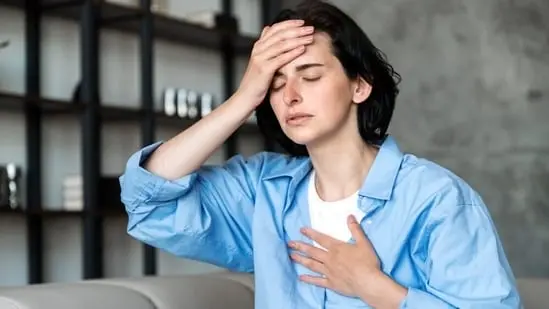
Breathing faster is often dismissed and attributed to everyday causes, from stress and anxiety to physical exertion. You climb a flight of stairs and get winded, or you slightly hyperventilate before entering an exam centre. But a repeatedly unexplained increase in breathing rate should not be taken lightly, as it may indicate an underlying heart problem. Early attention to this symptom can help detect heart issues before they become serious.
ALSO READ: Cardiologist warns of this heart issue in Gen Z, an early sign of heart attack, other premature cardiovascular diseases
HT Lifestyle reached out to Dr Abhishek Singh, consultant cardiologist at Manipal Hospital, Ghaziabad, to gain better clarity on how this seemingly common symptom can indicate an underlying heart problem.
“A lot of them do not realise that a change in breathing pattern can be an early sign of a heart problem. Medical attention should be given when rapid or laboured breathing occurs without an apparent source and persists for an extended period,” he remarked.
This means that when such breathing occurs for no obvious reason and continues over time, it can point to a heart issue.
Why is a faster breathing rate a concern?
Breathing is something one rarely pays attention to because it is involuntary; yet it is one of the key signs that can offer important clues about overall health. Any change in breathing patterns can indicate how major organs such as the heart and lungs are functioning.
The cardiologist explained, “The heart of a healthy individual beats and delivers blood with such efficiency that the oxygen needs of the body can be met without increasing the rate of respiration. However, as the heart becomes weaker in its pumping action, the body compensates by increasing the breathing rate to meet its oxygen needs.”
How do heart problems affect breathing?
Dr Singh mentioned that shortness of breath is one of the most noticeable heart symptoms, and it may begin slowly. He reasoned, “The Inability of the heart to pump blood properly leads to increased pressure in the lung blood vessels. This makes it harder for oxygen to pass into the blood, leading to faster, shallower, or uncomfortable breathing.”
Usually, shortness of breath may be seen during physical activities, but the cardiologist warned that if it is related to any underlying health issues, then it may worsen and may even occur while lying down.
What are the early signs people overlook?
Many people ignore early symptoms of heart problems, assuming they are temporary or harmless, until the condition worsens. The cardiologist listed out some common early signs include:
- Permanent fatigue that is resistant to rest.
- Reduced capacity for physical activities.
- Mild chest pain.
- Palpitations.
- Dizziness.
- Swelling in feet or ankles.
Why is early evaluation important?
Early evaluation is very important to identify heart problems before they escalate into life-threatening conditions. The cardiologist further explained that with the right diagnosis, many heart diseases can be treated successfully through procedures such as valve repair or replacement, bypass surgery, or the implantation of cardiac devices.
Note to readers: This article is for informational purposes only and not a substitute for professional medical advice. Always seek the advice of your doctor with any questions about a medical condition.