


Winter brings cosy clothes and hot drinks, but it also comes with unwanted hair woes. Many people notice their hair becoming dry, brittle, and falling out more than usual. Seasonal changes, colder temperatures, and low humidity can all stress your scalp and hair, leading to excessive hair fall.
To understand why this happens and how to protect your tresses, HT Lifestyle spoke to Dr Panchami Debbarman, MD (Kolkata Medical College), MPH (HAW- Germany), MBBS, who shares expert tips for healthy hair during the colder months. (Also read: 5 cardiologists from India’s leading hospitals share their ‘best advice for healthy heart’ that could save your life )
Key drivers of hair fall and breakage
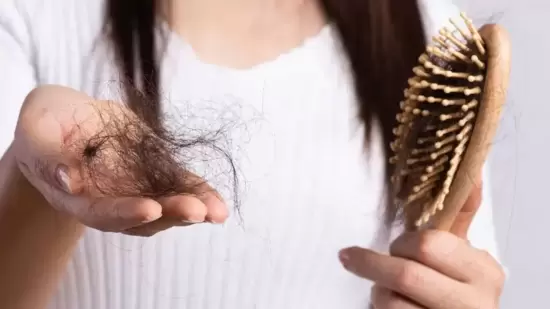
“During winter, the air is dry and cold, which can cause the blood vessels in the scalp to narrow. This limits the amount of nutrients and oxygen reaching the hair roots, making them weaker,” explains Dr Debbarman. She adds, “Hot showers and strong shampoos can strip natural oils from the scalp, leading to dryness, flakes, and broken strands. Pollution further damages hair proteins, making strands more fragile.”
A lack of sunlight can lead to vitamin D deficiency, while low levels of iron, biotin, and zinc, often from unhealthy eating habits, can slow hair growth. “Stress during holidays or common winter illnesses like flu can trigger telogen effluvium, a condition where hair shedding increases two to three months after the stressful event,” Dr Debbarman notes.
Tips to strengthen your hair
Dr Debbarman shares practical tips to protect hair and maintain scalp health during winter:
- Gentle cleansing routine: Use lukewarm water instead of hot and wash your hair 2–3 times a week with gentle, sulfate-free shampoos. Follow with a conditioner on the mid-lengths and ends for 3–5 minutes.
- Deep hydration treatments: Once a week, apply hair masks with natural oils like argan, coconut, or almond. Massage into the scalp and leave for 20 minutes. This helps lock in moisture and reduce breakage by 30–50%.
- Scalp nourishment: For persistent hair fall, consider scalp serums with peptides and massage your scalp for 5 minutes daily to improve blood flow.
- Protective styling: Avoid tight hairstyles and minimise heat styling. Let hair air-dry, sleep on silk pillowcases, and use a wide-tooth comb to gently detangle.
- Nutrition and lifestyle boosts: Eat omega-3-rich foods like walnuts, salmon, and flaxseeds, along with biotin sources such as eggs and nuts. Stay hydrated, use a humidifier indoors, and manage stress with yoga and adequate sleep. Vitamin D supplements may help after checking levels with a blood test.

When to seek professional help
Dr Debbarman cautions, “If you notice severe hair fall over six weeks, patchy bald spots, scalp pain, or widening hair parts, consult a dermatologist. These could indicate underlying issues such as thyroid problems, anaemia, or hormonal changes, which may require treatments like PRP therapy.”
By following these tips consistently, you can protect your tresses, strengthen your hair, and maintain a healthy scalp even during the harshest winter months.
Note to readers: This article is for informational purposes only and not a substitute for professional medical advice. Always seek the advice of your doctor with any questions about a medical condition.