


A Shocking Exit for SOUTHCOM
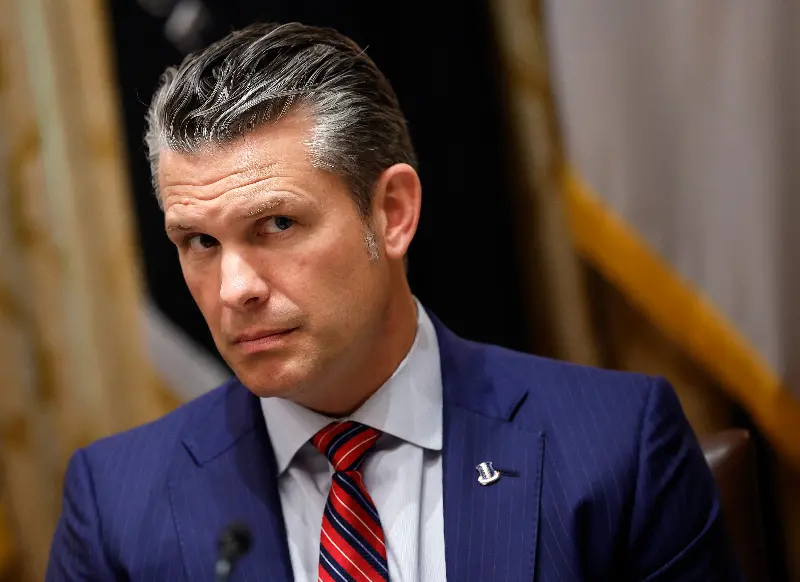
The atmosphere across military circles and on social media turned tense and emotional Thursday following the news that Admiral Alvin Holsey, commander of U.S. Southern Command (SOUTHCOM), is retiring after less than a year in the top post. Defense Secretary Pete Hegseth broke the news publicly, expressing "deepest gratitude" for Holsey's decades of distinguished service. The announcement arrived as a surprise, with no official reason given for the admiral's departure.
Crowds at SOUTHCOM headquarters were reportedly somber, reflecting on Holsey’s leadership amid recent operations. Holsey himself shared a heartfelt statement: “It’s been an honor to serve our nation, the American people and support and defend our Constitution for over 37 years,” thanking his team and expressing confidence in their ongoing mission.
Behind the Headlines: Strikes, Surprises, and Silence
Key developments spurred questions and conversations across military and media landscapes:
- Holsey’s leadership period was marked by a surge in U.S. activity in Latin America, notably a series of lethal strikes targeting suspected drug boats off the Venezuelan coast.
- President Donald Trump’s recent directives granted the CIA authority for covert operations inside Venezuela and raised speculation of possible land-based interventions, intensifying scrutiny of U.S. strategy in the region.
- The sudden retirement follows reports that Holsey privately expressed concerns about the legal and ethical dimensions of using lethal force on suspected drug vessels. However, his official statement remained focused on gratitude and confidence in his team, without directly addressing these operations.
- Hegseth’s leadership has witnessed an unusual turnover among top brass, including the departure or firing of several high-ranking officers since January, adding fuel to theories about broader tensions at the highest levels.
Military personnel and Holsey’s colleagues described the overall environment as “unsettled,” with many reflecting on his legacy of operational excellence and strategic vision.
What This Means Moving Forward
Admiral Holsey’s retirement comes at a contentious time for SOUTHCOM and U.S. military efforts in Latin America. His departure leaves unanswered questions about the future of America's drug interdiction policy and regional military posture.
- The ongoing strikes and U.S. buildup in the Caribbean are attracting mounting debate, both internally and among the public.
- Legal scholars and international observers are focusing on the legality and morality of force in anti-drug missions, with some questioning the Trump administration’s approach.
- Holsey’s tenure, though brief, is remembered for “unwavering commitment to mission, people, and nation,” and his exit is sparking reflection on the direction SOUTHCOM will take.