


Air travel often sparks a blend of excitement and jitters, especially if you’re the type who likes to ponder every safety announcement. While modern aviation has an exceptional safety record, many travelers still find themselves wondering: is there a safest seat on the plane? If you’ve ever found yourself eyeing the seat map and asking, “Should I go for the front or the back?” you’re not alone. Let’s take off on a journey to discover the truth behind airplane seating and safety, unraveling the facts, the science, and a few surprises along the way.
What Science Says About Seat Safety
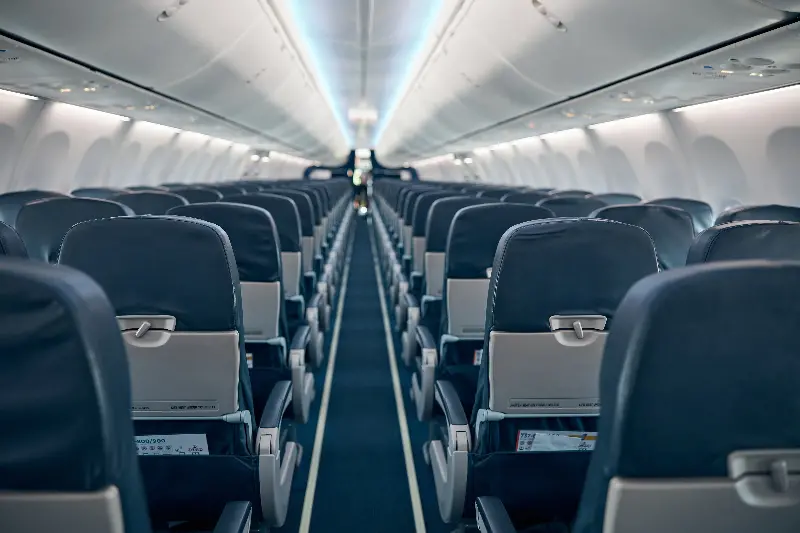
Over the years, researchers, aviation authorities, and journalists have combed through crash data to identify trends that might help future passengers make more informed choices. Some of the most prominent findings come from a 2015 analysis conducted by Time magazine, which examined 35 years’ worth of Federal Aviation Administration (FAA) data. They discovered a notable pattern: passengers sitting in the rear third of an aircraft had a 32% fatality rate in crashes, compared to 39% in the middle third and 38% in the front third.
This data suggests that, statistically, the rear sections of an aircraft offer a slightly better chance of survival in the unlikely event of a crash. Other studies, including one by Popular Mechanics, have echoed similar findings, noting that seats behind the wing’s trailing edge fared a bit better. However, it’s essential to remember that every crash scenario is unique, and these numbers represent a general trend rather than a guarantee.
Window or Aisle: Does Seat Position Matter?
Beyond choosing front, middle, or back, some travelers wonder whether the window or aisle seat is safer when the unexpected happens. In emergencies requiring evacuation, aisle seats are generally found to be more advantageous, since they offer quicker access to escape routes. However, the advantage is marginal, as modern aircraft are designed with strict evacuation requirements in mind—everyone on board must be able to exit within 90 seconds.
Interestingly, window seats are less likely to be affected in an event like a debris strike or structural failure, but the chances of such incidents are incredibly rare. Most safety experts agree that proximity to an exit—regardless of window or aisle—trumps other considerations. The FAA and airlines recommend sitting within five rows of an emergency exit, as this can improve survival chances.

The Role of Aircraft Type and Crew Instructions
It’s not just your seat that matters—the type of aircraft and how you respond to crew instructions play a significant part in your overall safety. Different plane models have different safety features and layouts, but all commercial aircraft must adhere to internationally mandated safety standards. These include robust fire safety measures, reinforced cabin materials, and clearly marked and accessible emergency exits.
Moreover, your willingness to pay attention to the pre-flight briefing may be more crucial than your specific seat number. Knowing how to locate and use your nearest exit, how to operate a seatbelt, and how to brace in an emergency increases the odds of survival by preparing you to act quickly and decisively. According to the National Transportation Safety Board (NTSB), over three-quarters of all airplane accidents are survivable; being ready to respond makes a real difference.
A few Myths and Surprising Truths
It’s easy to find yourself caught up in travel myths or anecdotal stories about miraculous survivals. While some believe that sitting over the wing is best because it’s structurally strongest, evidence doesn’t support that this section is any safer during severe events. Others insist that first class is safer thanks to added space, but data doesn’t back up that claim, either.
The real heroes of airline safety are the rigorous protocols, advanced technology, and well-trained crews that make commercial flight the safest mode of transportation today. While investigating crash reports might make for compelling reading, it’s worth noting that the probability of a fatal commercial airline accident is about 1 in 13 million, according to the International Air Transport Association.
Tips for Choosing a Safer Seat (and Flight)
If you’re a traveler looking to tip the odds in your favor—even just slightly—here are some practical strategies for safety-conscious fliers. Choose seats within five rows of an exit when possible, and opt for the back third of the plane if you want to align with available statistics. Pay close attention to the pre-flight safety briefing, even if you’re a frequent flier, and always follow crew member instructions promptly.
When booking, consider newer aircraft, as these are likely equipped with the latest safety technology and systems. Rest assured that no matter where you’re seated, modern aviation regulations ensure stringent safety checks and constant updates to emergency procedures.
Traveling by air is an experience that millions of people enjoy safely every day. While the exact “safest seat” can vary depending on variables that nobody can predict, you now have the facts for your next adventure. The good news is that, with remarkable advancements and dedicated professionals looking after you, you can sit back, relax, and focus on enjoying the view from your chosen seat—no matter where it is on the plane. Safe travels!