


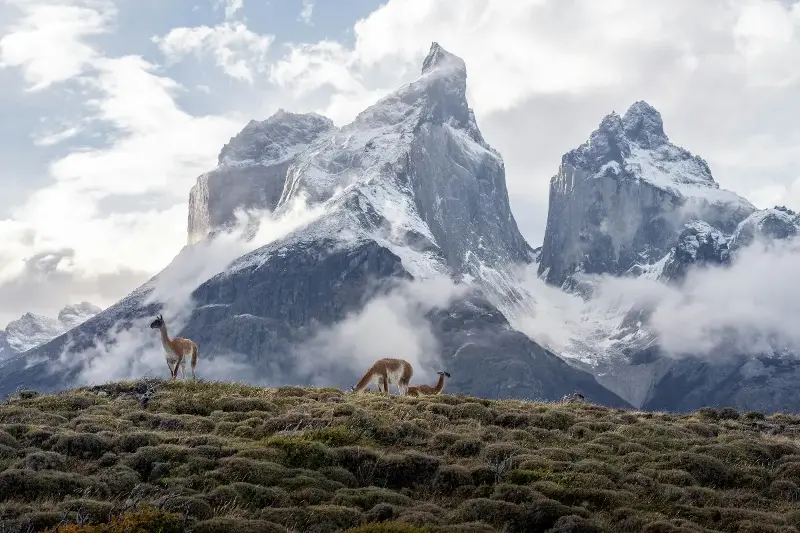
Stretching for an incredible 7,000 kilometers along the western edge of South America, the Andes mountain range forms the longest continental chain in the world. This geological marvel is far more than a natural barrier; it is a vibrant living tapestry woven with extraordinary wildlife, ancient cultures, and dramatic landscapes. For anyone with a passion for discovery, the Andes promise a journey unlike any other, ranging from sun-baked deserts to cloud-veiled jungles and snowcapped peaks that kiss the sky.
A LIVING SPINE OF SOUTH AMERICA
The Andes serve as the majestic backbone of the continent, running through Venezuela, Colombia, Ecuador, Peru, Bolivia, Chile, and Argentina. This continuous chain resulted from tectonic forces that began uplifting the earth nearly 50 million years ago, creating peaks that seem to touch the heavens.
As you traverse its length, you will encounter breathtaking extremes:
- The Highest Point: Mount Aconcagua in Argentina, towering at 6,961 meters.
- The Southern Reaches: The range eventually dwindles into the windswept plains of Tierra del Fuego and the lush subpolar forests of Patagonia, showcasing an astonishing variety of ecosystems.
A PATCHWORK OF UNIQUE CULTURES AND HISTORIES
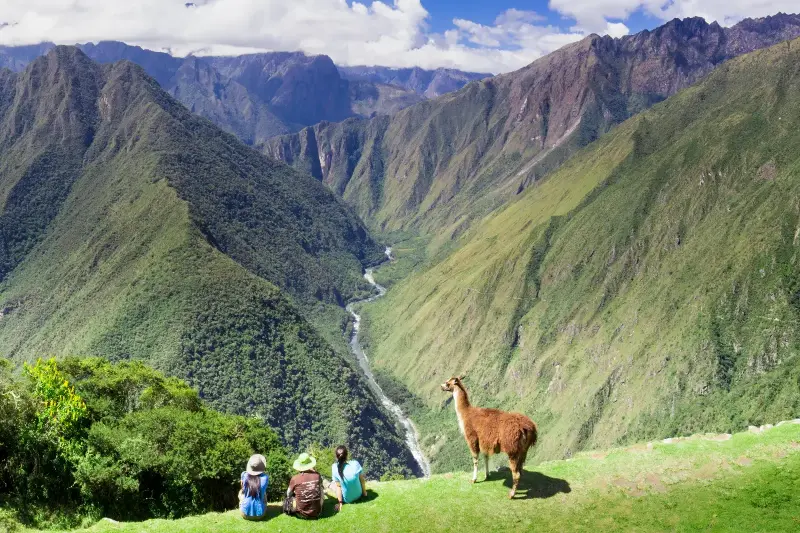
Journeying through the Andes provides a window into ancient and modern societies shaped by the challenging terrain. The legacy of the Incan civilization is particularly prominent; their intricate stone cities, such as the world-renowned Machu Picchu, remain a testament to sophisticated engineering and deep spiritual connection.
However, Andean cultures are very much alive today:
- Vibrant Markets: In Bolivia and Peru, locals maintain traditions through hand-woven textiles and traditional clothing.
- Musical Heritage: The melodies of pan flutes and charangos fill the air during local festivals.
- Living Traditions: Celebrations like the Inti Raymi (Festival of the Sun) illustrate a profound, ongoing spiritual bond between the people and their mountainous home.
DRAMATIC LANDSCAPES AND BREATHTAKING BIODIVERSITY
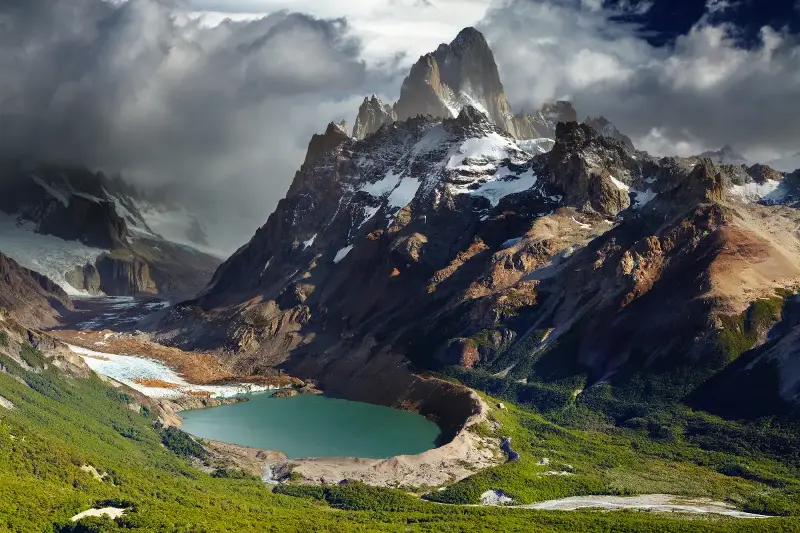
One of the most striking features of the Andes is how rapidly the environment shifts with altitude. From the steamy Amazon jungles to the arid Atacama Desert—the driest non-polar place on Earth—these mountains host some of the most varied habitats in the world.
Wildlife enthusiasts flock here to spot:
- Andean Condors: Majestic birds with wingspans reaching three meters.
- Highland Fauna: Llamas, alpacas, and wild vicuñas grazing peacefully against snow-streaked backdrops.
- Unique Ecosystems: The páramo grasslands, which act as natural water towers, are full of rare orchids and resilient flora.
EPIC ADVENTURES FOR EVERY TRAVELER
The Andes act as a world-class playground for those seeking movement and discovery. Whether you are an experienced mountaineer or a casual traveler, the mountains offer endless opportunities:
- Trekkers: Follow the footsteps of history on the famous Inca Trail or navigate the rugged Cordillera Blanca.
- Road Trippers: Scenic routes like Argentina’s Ruta 40 offer unparalleled vistas of jagged peaks.
- Slow Travelers: Soak in natural hot springs, stargaze under crystal-clear skies, or explore highland towns where ancient traditions blend seamlessly with daily life.
NATURE’S GIFTS: FROM SALT FLATS TO GLACIERS
The Andes shape South America's most dramatic natural wonders. The Salar de Uyuni in Bolivia, the world’s largest salt flat, creates a mirror-like spectacle that reflects the sky. Meanwhile, Patagonia’s jagged peaks and vibrant blue glaciers impress visitors with their wild, unspoiled beauty. These mountains are also critical water sources; glaciers and snowfields feed countless rivers, making life possible in otherwise arid regions and highlighting the range's crucial role in the planet's health.
Exploring the Andes is an experience that remains etched in memory—a spectacular testament to the wonders of the natural world.