


Electric vehicles, or EVs, have rapidly accelerated from a niche interest to a major force on the global automotive stage. With environmental concerns, innovative technology, and government incentives driving a shift from traditional gasoline-powered engines, more people than ever are considering making the switch to electric. If you’re thinking about purchasing your first EV, there’s a lot to be excited about—and a lot to know before you plug in for your first drive. Here’s a comprehensive look at what you should know before making this electrifying decision.
Understanding How Electric Vehicles Work
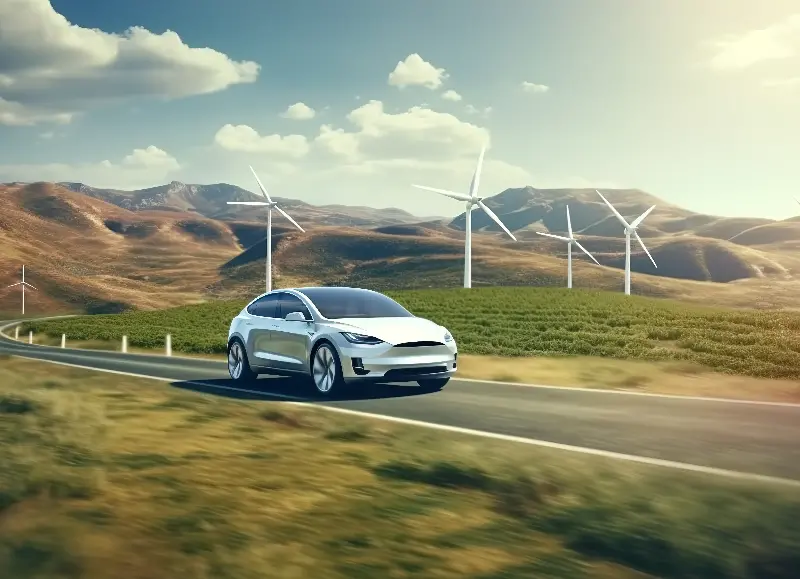
Unlike traditional cars that rely on internal combustion engines fueled by petrol or diesel, EVs use electric motors powered by batteries. This fundamental difference brings about a driving experience that’s often quieter, smoother, and with instantaneous torque. There are mainly two types of EVs: full battery electric vehicles (BEVs), which run solely on electricity, and plug-in hybrid electric vehicles (PHEVs), which have both an electric motor and a conventional engine, offering flexibility if you’re not quite ready for a full switch.
The heart of any electric vehicle is its battery, typically a lithium-ion pack similar to those used in smartphones and laptops, but far larger and more robust. As battery technology continues to improve, you can expect longer ranges, faster charging, and better durability in newer models.
Charging: At Home and On the Road
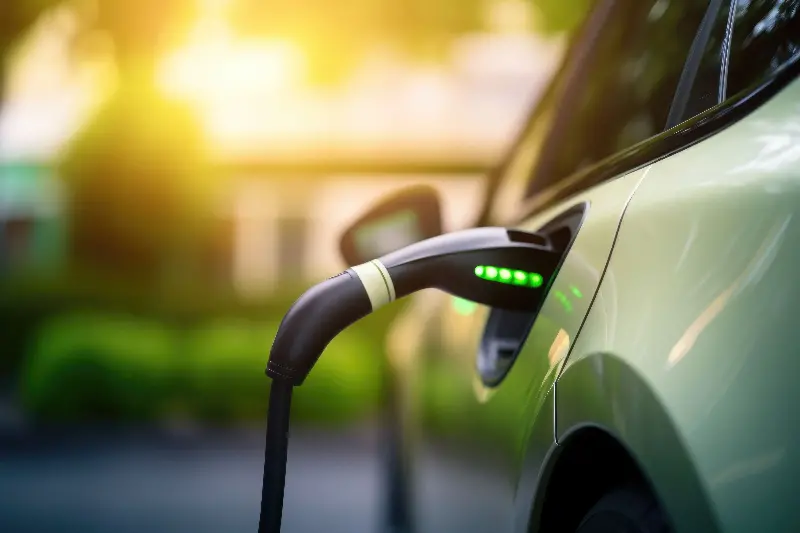
One of the biggest concerns for new EV owners is how and where to charge. Most owners do the majority of their charging at home, using either a standard household plug or a dedicated home charging station for faster refueling. Installing a Level 2 charger at home can fully charge most EVs overnight, which makes daily commuting seamless.
Public charging infrastructure is expanding rapidly, with fast-charging stations appearing across highways, shopping centers, and workplaces. These high-voltage chargers can top up your EV to 80% in as little as 30 minutes, ideal for road trips or busy days. Major EV manufacturers also have proprietary networks—like Tesla’s Superchargers—offering widespread and reliable coverage in many countries.
Range Anxiety: Myth or Reality?
A few years ago, concerns about “range anxiety”—the fear your EV will run out of battery before you reach your destination—were justified, as early models often had limited ranges. However, most new electric cars comfortably cover 250 to 350 miles on a single charge, rivaling the range of many petrol vehicles. For city dwellers and suburban commuters, an EV’s daily range will far exceed their typical needs. For those with longer commutes or frequent road trips, research is key; consult real-world range reports rather than manufacturers’ optimistic estimates.
What About the Cost?
While EVs sometimes carry a higher upfront price tag than their gas-powered counterparts, the gap is narrowing quickly. Several governments offer tax credits, rebates, or registration discounts for EV buyers. These incentives can make a huge difference in the out-the-door cost, so be sure to check what’s available in your region.
Crucially, electric vehicles can cost significantly less to keep on the road. Electricity is cheaper than petrol per mile, and EVs have far fewer moving parts, meaning less maintenance and fewer breakdowns. Say goodbye to oil changes and much of your routine mechanical worry.
Interesting Facts That Might Surprise You
Electric motors deliver power instantly. That’s why many EVs can out-accelerate high-end sports cars from a stoplight—even basic family EVs feel zippy and fun to drive.
EV batteries are designed for longevity. Most manufacturers offer warranties of eight years or longer, and with careful charging habits, it’s not unusual to see batteries last even longer with minimal drop-off in range.
Did you know EVs can also help power your home? Some newer models offer bidirectional charging, meaning your car’s battery can send electricity back into your house during peak hours or power outages.
Environmental Impact and Sustainability
One of the biggest appeals of electric vehicles is their role in reducing carbon emissions. Charging your car with renewable energy, like solar or wind, can make your driving almost completely carbon neutral. Manufacturing an EV does involve more emissions than building a traditional car, mainly due to battery production, but this gap closes quickly with regular use—often within the first two years of ownership.
An often-overlooked benefit of EVs is the reduced noise pollution. Electric cars operate almost silently, which contributes to quieter, more peaceful cities and neighborhoods.
