


Cities on the Move: How Urban Design Is Evolving to Protect Migrating Animals
Just as people move through bustling city streets, millions of animals make incredible migrations across land, sky, and water every year. But as urban areas expand and infrastructure covers more landscapes, these ancient journeys are becoming more perilous. Rather than standing in the way, urban designers are now embracing new ideas to help migrating animals safely share our cities and suburbs. The results are blending creativity, science, and compassion—and they’re transforming the way we think about how people, wildlife, and cities can coexist.
The Hidden Dangers Of Urban Areas For Migrating Animals
For many migrating species, cities are full of hazards. Roads cut through critical migration corridors, leading to vehicle collisions that claim the lives of thousands of animals every year—from petite frogs to massive elk. Buildings, especially glass-covered skyscrapers, confuse and kill millions of migrating birds annually when they collide at night. City lights also disrupt nocturnal migration cues, sending birds and insects off course.
Urban sprawl fragments habitats, scattering essential resting or feeding sites. Fences, concrete walls, and other barriers make it difficult for animals to complete their journeys. For many species who have followed the same migration paths for centuries, adapting to the human-built landscape represents a major challenge.
Wildlife Crossings: Bridging the Gap
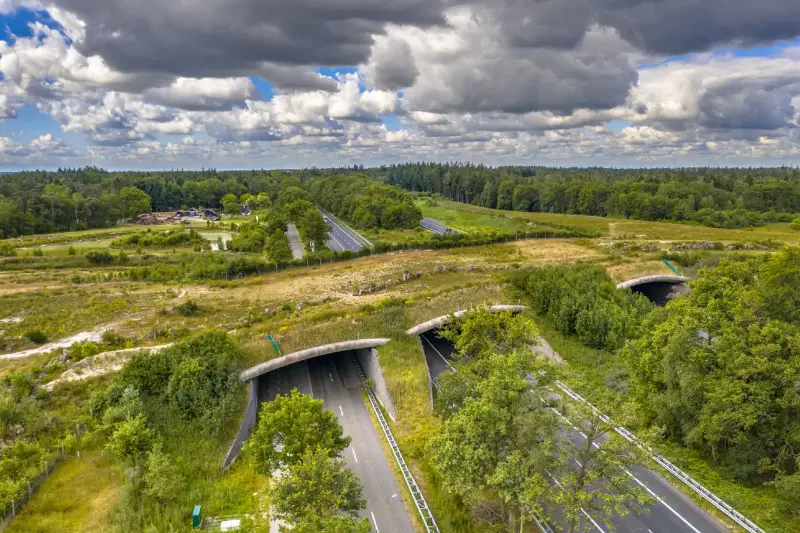
One of the most impactful solutions emerging in urban design is the creation of wildlife crossings. These are bridges, tunnels, and underpasses built specifically for animals to cross highways and busy roads safely. Some are lushly planted to mimic the surrounding habitat, while others are engineered for specific species, such as amphibian tunnels beneath European roads and wide vegetated bridges in North America for deer, bears, and even cougars.
The Netherlands is a pioneer, with more than 600 wildlife bridges and underpasses connecting its fragmented natural areas. In Canada’s Banff National Park, a series of wildlife overpasses and underpasses have cut wildlife-vehicle collisions by over 80%. Surveillance cameras even show grizzly bears, wolves, ungulates, and other species all using the same crossings, learning from each other as they go.
Designing For The Sky: Bird-Friendly Cities
Glass buildings and bright city lights are notorious for causing bird deaths during migration seasons. To counter this, urban designers are developing “bird-safe” glass, which may look ordinary to humans but contains patterns birds can see and avoid. Laws in cities like New York and Toronto now require new buildings to incorporate such materials for sections below a certain height, where most bird strikes occur.
Minimizing nighttime light pollution is another new frontier. “Lights Out” campaigns invite building managers and residents to dim their lights during critical migration periods. Studies have shown this can drop bird collision rates significantly, as darkened skies allow birds to use the stars and other natural navigation cues.
Green Corridors: Connecting Urban Habitats
Green corridors are patches and strips of natural vegetation purposely designed to link parks, rivers, and other habitats through urban and suburban settings. These corridors offer safe passage for migrating and resident wildlife, allowing them to move between resources without crossing deadly roads or traversing heavily built-up areas.
Singapore is a leader in this field. City planners are connecting parks and water bodies through a spiderweb of “park connectors.” These lush, tree-lined routes not only help birds, butterflies, and even otters move across the city, they double as pedestrian paths, creating spaces where people and wildlife meet.
Beyond Animals: Benefits For People And Planet
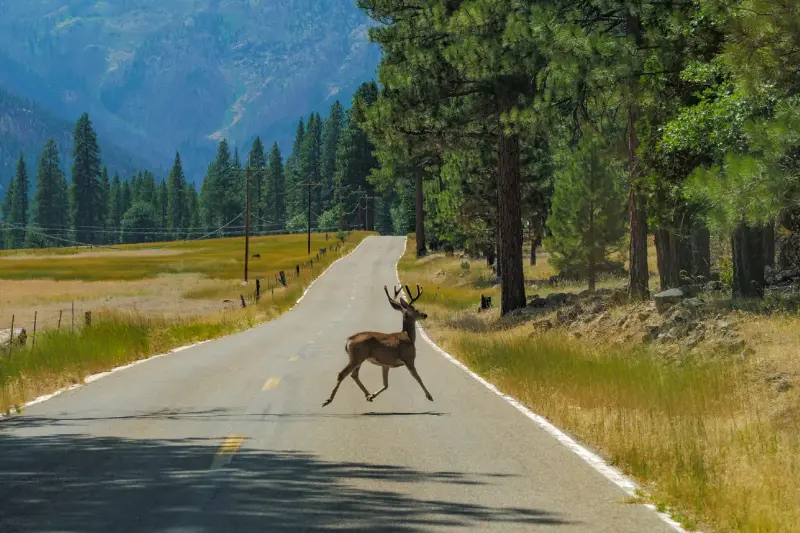
While the primary goal of these design changes is to protect migrating animals, humans are benefitting too. Wildlife crossings and green corridors often function as parks and trail networks. They boost air quality, provide shade, and help cool cities during heat waves. Watching a herd of deer cross an overpass or witnessing a flock of migratory birds swoop over a “green” skyscraper can also bring a sense of wonder and connection to nature right into city life.
There’s a conservation message as well: when cities invest in wildlife-friendly design, they signal that animal migrations—and the wild places they connect—are valued and protected. These spaces can become living classrooms, sparking curiosity and conservation action in the next generation.
Technology And The Future Of Migration-Friendly Cities
As technology advances, so do the possibilities for protecting animal migrations. Tracking collars, IoT sensors, and motion-activated cameras help city planners analyze where animals move and when. This real-time data guides where crossings, tunnels, and greenways can have the greatest impact.
In the future, we might see even more inventive solutions: “smart” bridges that monitor animal use and alert traffic, virtual fences that use sound cues instead of physical barriers, and urban planning apps that prioritize wildlife movement in real-time. The emerging field of animal-informed design ensures that the needs of migrating wildlife are considered from the start, not as an afterthought.
Urban design is no longer only about buildings and roads—it’s about welcoming the ancient, wild rhythms that still flow through the heart of our cities. As more communities embrace this vision, migration-friendly cities could become the new normal, ensuring that both animals and people can keep moving forward together.