


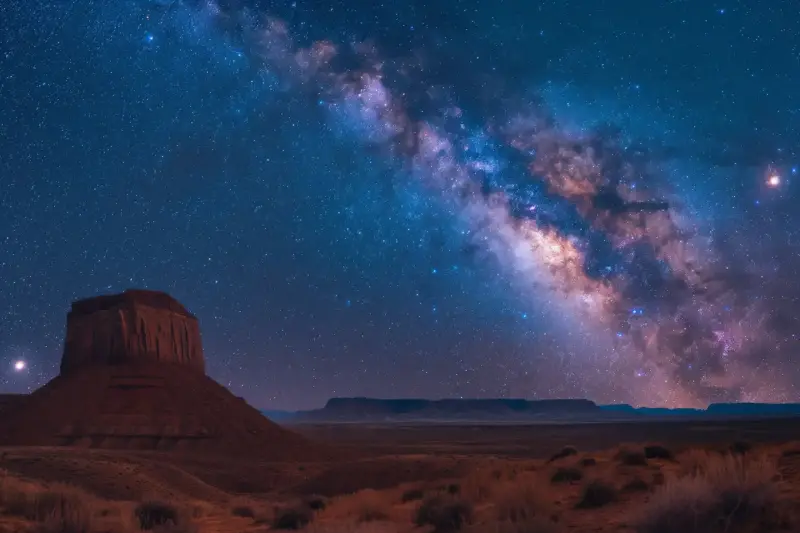
For thousands of years, humans have turned their gaze towards the night sky, seeking meaning, wisdom, and wonder among the stars. Today, a new generation of travelers is rediscovering the joys of stargazing through astrotourism—one of the fastest-growing travel trends around the globe. If you’re looking to make 2025 a year of celestial adventures, now is the perfect time to plan your starlit escape. From pristine dark sky reserves to remote desert observatories, the world offers some breathtaking destinations where the magic of the universe comes alive each night.
Unveiling Astrotourism: What Makes A Dark Sky Destination?
Astrotourism is more than just camping under the stars. It’s about seeking places where artificial light is nearly absent and where the Milky Way shimmers in full splendor overhead. International dark-sky associations and organizations have begun to certify such sites, ensuring that they offer not only ideal stargazing conditions but also responsible lighting and educational opportunities for visitors.
Dark sky reserves, parks, and communities have skyrocketed in popularity, offering travelers unique experiences like guided night hikes, telescope sessions, and astrophotography workshops. With technology like mobile apps and portable telescopes now more accessible, even beginners can easily find their way around the constellations.
Stunning Global Astrotourism Hotspots For 2025
As the passion for stargazing spreads, several destinations stand out for their breathtaking celestial views and innovative astrotourism experiences.
One of Europe’s gems is the Canary Island of La Palma in Spain. This UNESCO Biosphere Reserve is home to the Roque de los Muchachos Observatory, perched almost 2,400 meters above sea level. Thanks to rigorous light pollution controls, La Palma boasts crystal-clear skies where you may witness spectacular meteor showers or even glimpse nebulae with the naked eye.
Venturing to the southern hemisphere, Chile’s Atacama Desert reigns supreme among stargazers. With an average of 330 clear nights per year and skies so dry they seem almost surreal, the Atacama is home to world-famous observatories such as ALMA and the Paranal Observatory. Many local lodges now offer packages including nocturnal astronomy tours hosted by professional astronomers, turning each stay into an immersive cosmic journey.
Meanwhile in North America, the Idaho Dark Sky Reserve has emerged as a must-visit for travelers seeking the Milky Way at its brightest. Spanning almost 1,500 square miles, this reserve is the first of its kind in the United States. Summer months draw crowds who gather for the annual Star Parties, where amateur astronomers share their passion and high-powered telescopes.
Australia’s Warrumbungle National Park deserves a spot on any astrotourist’s bucket list for 2025. Crowned as Australia’s first Dark Sky Park, the Warrumbungles are renowned for their panoramic vistas and the Siding Spring Observatory. During the annual StarFest, the park buzzes with stargazing gatherings and astronomy presentations, perfect for families and enthusiasts alike.
Africa, too, is home to some of the most dramatic night skies. Namibia’s NamibRand Nature Reserve—an International Dark Sky Reserve—introduces guests to galaxies and planets under stunningly clear heavens. Unique experiences like sleepouts under the stars allow you to fall asleep to the sounds of the desert, with the Milky Way arching overhead.
Tips For The Ultimate Stargazing Experience
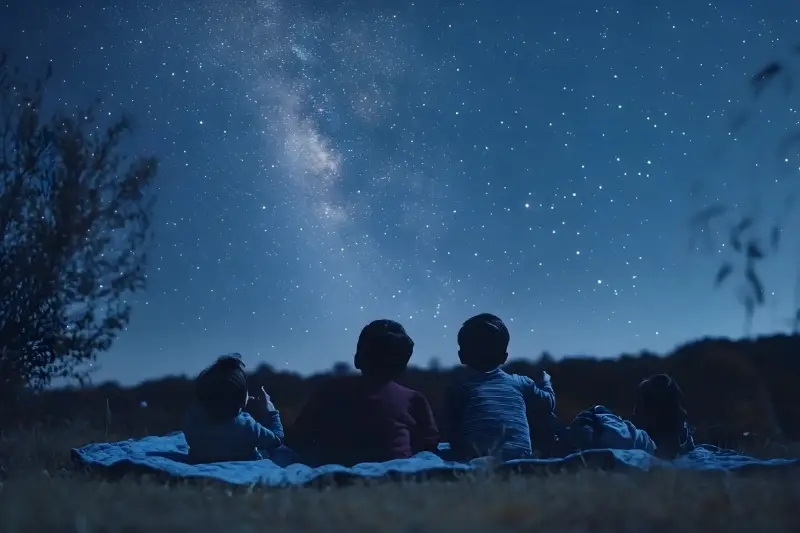
To truly appreciate the magic of astrotourism, begin by timing your visit to coincide with celestial events. The Perseid meteor shower in August, total lunar eclipses, or even regular new moon nights provide unforgettable stargazing moments.
Pack wisely, considering warm layers, a reclining chair for comfort, and red LED flashlights to avoid ruining night vision. Many dark sky destinations offer guided experiences, so take advantage of local expertise—rangers and astronomers can explain the stories behind the constellations, point out distant planets, or even help you photograph the night sky.
For those hoping to commemorate their cosmic adventures, most dark sky parks now provide astrophotography workshops, where you can learn to capture the glowing arcs of the Milky Way or time-lapse the slow rise of constellations over ancient landscapes.
Astrotourism And The Importance Of Preservation
The popularity of astrotourism brings with it an important message: protecting our night skies from the growing threat of light pollution. Many reserves are at the forefront of sustainable tourism, encouraging visitors to respect wildlife, minimize waste, and support eco-friendly accommodation.
By choosing certified dark sky destinations, travelers can help promote conservation efforts while experiencing something truly extraordinary—the ancient connection between humans and the stars. As more communities around the globe adopt dark-sky principles, every visitor plays a part in ensuring that future generations can look up and marvel at the cosmos.
Whether you’re an experienced astronomer or just someone with a curious mind, astrotourism is your invitation to rediscover wonder. As 2025 approaches, the universe awaits—just pack your sense of adventure and look to the skies for memories that will last a lifetime.