


Imagine a world where laziness isn’t just a quirk, but the key to success. In nature, some of the most resilient and remarkable animals are, by human standards, shockingly slow and “lazy”—yet they thrive. What can our fast-paced, restless species learn from the likes of sloths, koalas, and other low-energy survivors? The natural world has a quiet message: sometimes, slow and steady really does win the race.
CHAMPIONS OF CHILL: MEET THE WORLD’S LAZIEST ANIMALS
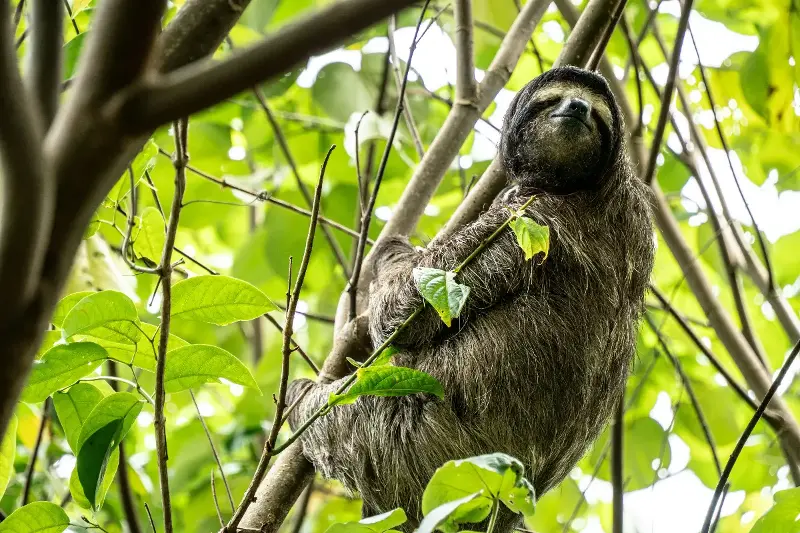
Best known for their slothful lifestyle, real sloths take “lazy” to an art form. Spending up to 20 hours a day asleep and moving at a careful crawl when awake, three-toed sloths burn just enough calories to survive on their nutrient-poor leaf diet. This energy conservation plays a major role in their survival; sloths avoid most predators simply by being too slow to attract attention.
But sloths are just the poster children for low-energy living:
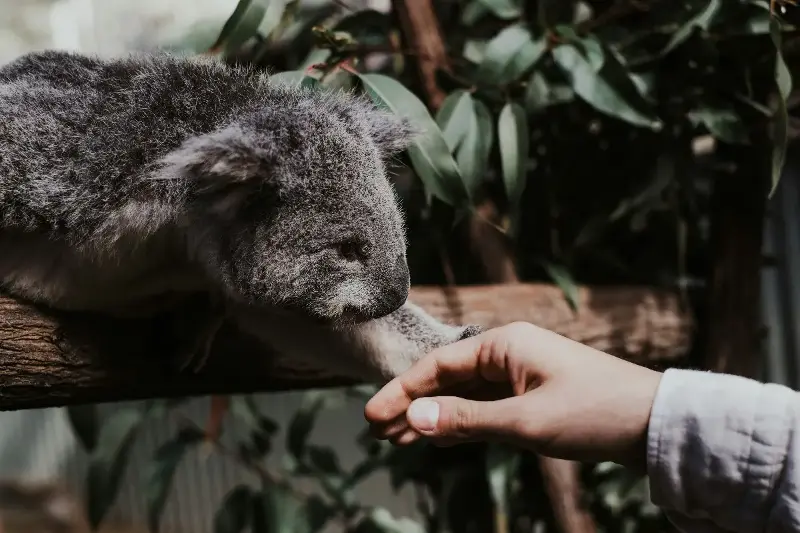
- Koalas: With their adorably dozy faces, they sleep up to 22 hours a day. They fuel themselves with tough eucalyptus leaves that are low in nutrients and high in toxins; moving less means they conserve every gram of energy.
- Giant Pandas: A panda devotes much of its day to eating and resting—about two-thirds of its life revolves around these two activities.
- Greenland Sharks: Even underwater, “laziness” works wonders. This creature can live for over 400 years, gliding slowly through the icy northern Atlantic. Its glacial pace is linked to an astonishingly slow metabolism, which scientists believe is a secret to its extreme longevity.

THE SCIENCE OF SLOWNESS: WHY DOING LESS CAN ADD UP TO MORE
It might sound counterintuitive, but in the wild, wasting energy is not just unwise—it’s dangerous. Evolution has a way of punishing the needlessly energetic. Animals that move quickly and often are more likely to catch the attention of predators, wear out their bodies, or simply run out of resources.
Take the sloth’s secret weapon: algae. Sloths’ slow lifestyles allow green algae to grow on their fur, giving them a mossy camouflage that keeps them hidden. Similarly, the echidna, a spiny mammal native to Australia, has a body temperature that barely exceeds its environment. Its low metabolic rate means it can survive prolonged periods of food scarcity by simply tucking itself away and waiting.
From a zoological perspective, “laziness” is better described as efficiency. By investing energy only when absolutely necessary, these creatures get the biggest survival bang for their buck. Slow movement and lengthy rest are not signs of weakness, but evolutionary strengths honed over millennia.
WHAT HUMANS CAN LEARN FROM NATURE’S LOW-ENERGY ELITE
In the modern human world, hustle is celebrated and rest is often seen as an indulgence. However, nature’s laziest survivors offer a different lesson: strategic resting can be the key to lasting success. Here are some life lessons humans might take from the animal kingdom’s masters of minimalism:
- Prioritize efficiency over effort: Just as the sloth spends its energy sparingly, focusing on activities that matter most reduces fatigue. It’s not about doing everything fast, but doing what matters well.
- Camouflage isn't just physical: Sometimes keeping a low profile or working quietly toward goals is smarter than drawing constant attention to one’s efforts.
- Slow digestion, fast learning: Just as koalas take their time processing food, taking time to digest information—reading slowly and thinking deeply—leads to better retention.
- Rest is productive: For people, ample sleep and downtime aren’t laziness but essential for health and creativity. Well-rested individuals are consistently more focused and inventive.
- Longevity depends on sustainability: The Greenland shark’s 400-year life is a testament to slow, calculated moves. Adopting manageable routines leads to long-term wellbeing rather than rapid burnout.

CELEBRATING THE POWER OF PACE
From legend to lab, the wisdom of taking it slow is supported by both storytelling and science. The fabled tortoise didn’t win the race by rushing, but by never quitting—and by using energy wisely.
The next time you feel guilty for resting, remember the world’s “laziest” survivors. Their slow, measured approach has stood the test of time, proving that in both the forest and the office, steady determination and mindful rest outlast frantic hustle. By embracing a more balanced approach, we might just unlock the wisdom that keeps the world’s most relaxed creatures thriving.