


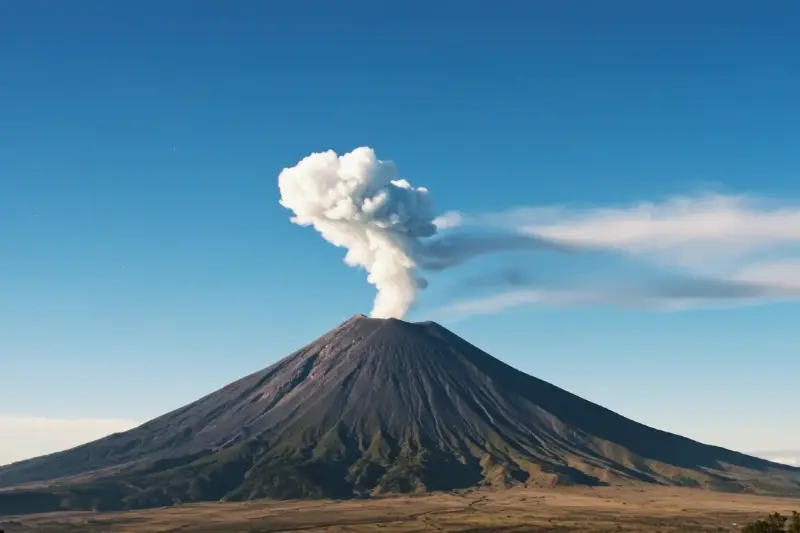
It’s a question that feels as captivating as a blockbuster film plot: can humankind stop a volcano from erupting? For centuries, volcanoes have stood as fierce reminders of Earth’s raw power, reshaping landscapes and, sometimes, devastating communities in mere minutes. Yet, as technology and scientific understanding advance, experts are edging ever closer to unravelling the mysteries hiding beneath the crust. But can they truly “pull the plug” on a sleeping giant? Let’s dig in.
Underneath the Magma: What Triggers a Volcano?
To explore the possibility of stopping a volcano, we must first peek beneath the surface—quite literally. Volcanic eruptions occur when molten rock, or magma, builds up pressure deep beneath the Earth’s surface. This pressure finds an escape route, shooting magma skyward and turning it into lava, ash, and gases.
The process is both dramatic and unpredictable. While scientists have developed highly sensitive monitoring systems—like seismic sensors, gas detectors, and satellite lasers—to predict eruptions, nature consistently holds the upper hand. The sheer volume of energy involved is staggering. Experts estimate the pressure beneath Mount St. Helens, for example, could blast through anything known to man.
Science Fiction or Imminent Reality?
Attempts to halt volcanic eruptions sound like scenes from a science fiction film, and for a good reason: the challenges are colossal and the risks, almost unimaginable. Over the years, ideas have been floated, ranging from the somewhat plausible to the utterly fantastical:
-
Artificial cooling: Pouring vast quantities of water onto a volcano’s magma chamber to cool it down. In reality, this would require oceans worth of water, and the resulting steam could present an even bigger danger.
-
Nuclear explosions: Using nuclear bombs to “seal” or redirect the magma flow. While the Soviets experimented with detonating explosives to divert lava in the 1960s, the dangers of triggering an even bigger eruption or causing long-term radioactive contamination far outweighed the theoretical benefits.
-
Barriers and Diversions: Similar to building levees for floodwaters, some have suggested constructing channels or barriers to redirect lava. In 1973, Icelandic engineers sprayed seawater onto lava from the Eldfell eruption to harden it and save their harbour. It worked—locally. But such methods are only viable for small, slow-moving flows.
What’s Actually Possible—And What Isn’t?
Despite technological leaps, preventing an eruption remains out of our reach. The volumes of magma and pent-up pressure are simply too vast for any current engineering. However, scientists are making progress in one vital area: early warning.
-
Monitoring of seismic activity, ground deformation, and volcanic gases has improved evacuation strategies worldwide.
-
The use of drones and satellites allows scientists to scan volcanoes continuously, identifying danger zones with greater precision.
-
Community preparedness programmes mean more people get out of harm’s way before disaster strikes.
So, while we cannot yet cork the volcanic bottle, forecasting tools save countless lives each year. In many ways, the story of stopping volcanoes is really the story of learning to live alongside them.
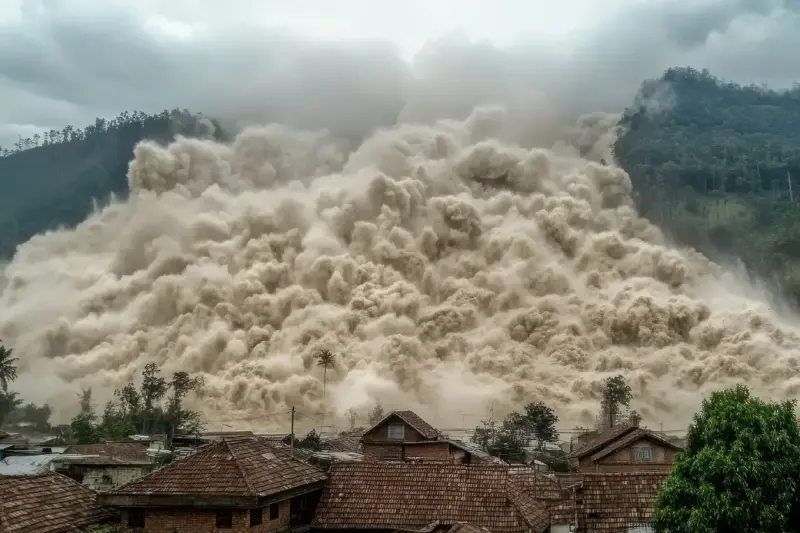
The Volcanoes of Tomorrow—Hope or Hype?
Could advanced technology ever outwit a volcano? Some researchers envision innovative solutions, like injecting cooling agents into magma chambers or developing super-strong barriers to redirect flows on a larger scale. For now, these remain in the realm of research and theory.
Nature still stands as the ultimate architect, designing forces far beyond current human intervention. But every breakthrough in prediction, preparedness, and understanding tips the balance just a little further in our favour.
In the face of such awe-inspiring forces, perhaps the real question isn’t if scientists can stop a volcano, but how close we can come to living in harmony with these ancient giants. As we continue exploring the frontiers of geology and engineering, one can’t help but wonder: might the key to taming volcanoes lie not in stopping them, but in listening to their warnings and respecting the lessons they offer?