


The Future of Content Creation: How Machines Are Redefining Human Creativity
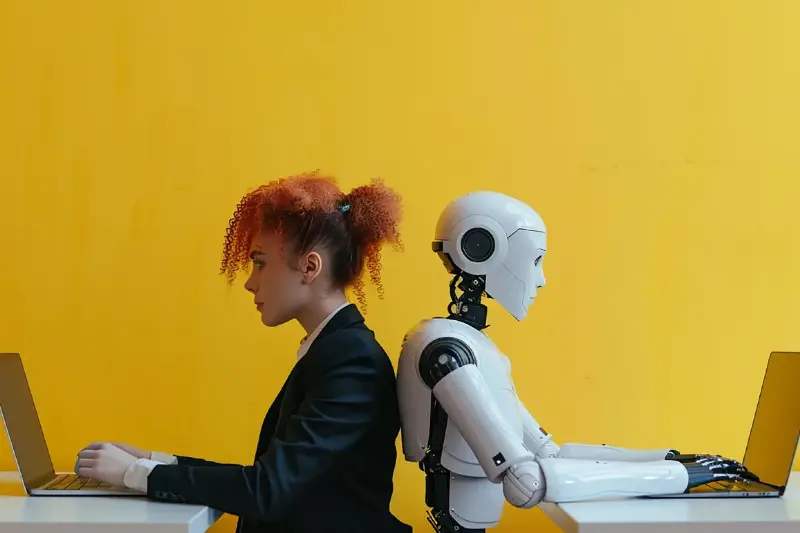
From Algorithms to Artistry: Machines Take Centre Stage
Just a decade ago, the idea of computers scripting poetry, composing symphonies, or designing visually stunning graphics seemed to belong firmly in the realm of science fiction. Today, however, artificial intelligence (AI) and machine learning models are not only assisting but also driving the creative process. Their involvement stretches from newsrooms using AI to write financial updates, all the way to artists collaging masterpieces with the help of generative neural networks.
What makes this new reality even more captivating is the partnership forming between humans and machines—a duet where each brings unique strengths, leading to previously unimaginable outcomes.
AI models, like OpenAI’s GPT series or Google’s Bard, can now generate articles, dialogue, code, and even mimic authorial styles with astonishing coherence. Meanwhile, visual creators employ tools like DALL·E and Midjourney to conjure up artwork from a few text prompts. Music platforms, too, allow artists to “jam” with AI-powered instruments, merging code and composition in real-time.
Key Insight: The line between man-made and machine-made is softly blurring, ushering in a bold new era of fine-tuned creativity.
Breaking Boundaries: Why Machines Excel, and Where Humans Still Shine
Machine intelligence excels at some tasks, but it’s not replacing the soul of content creation—at least, not yet.
Here’s where machines are truly shining:
- Speed: AI generates drafts, summaries, and edits almost instantly.
- Scale: Content for entire websites, blogs, and social feeds materialises in minutes.
- Personalisation: Algorithms can tailor articles, ads, and music to niche preferences, offering hyper-personalised experiences.
Yet, even as AI gets smarter, its limitations stand out:
- Emotional Nuance: Machines still struggle to capture subtle emotions, satire, or cultural subtext.
- Original Vision: The truly revolutionary ideas—the literary equivalents of a Picasso or an Orwell—remain products of human intuition and depth.
- Ethical Judgement: Decisions about what should or shouldn’t be created are fundamentally human, demanding context and empathy.
For all their brilliance, machines remain tools—magnifying our strengths, but still dependent on a spark of inspiration that is, so far, uniquely human.
The Evolving Workflow: Collaboration Over Competition
Today’s content creators—whether writers, filmmakers, musicians, or designers—are learning to embrace the strengths of intelligent systems while retaining their unique voices. “AI won’t replace you, but someone using AI might,” has become a newsroom adage, underlining a shift in professional dynamics.
Consider these new creative workflows:
- Ideation Assisted by AI: Writers use machine-generated outlines or drafts as springboards for their final stories.
- Automated Repetitive Tasks: Translating, formatting, and editing can be streamlined, freeing up time for higher-level thinking.
- Real-time Feedback: Immediate grammar checks, fact verifications, and suggestions help creators improve quickly.
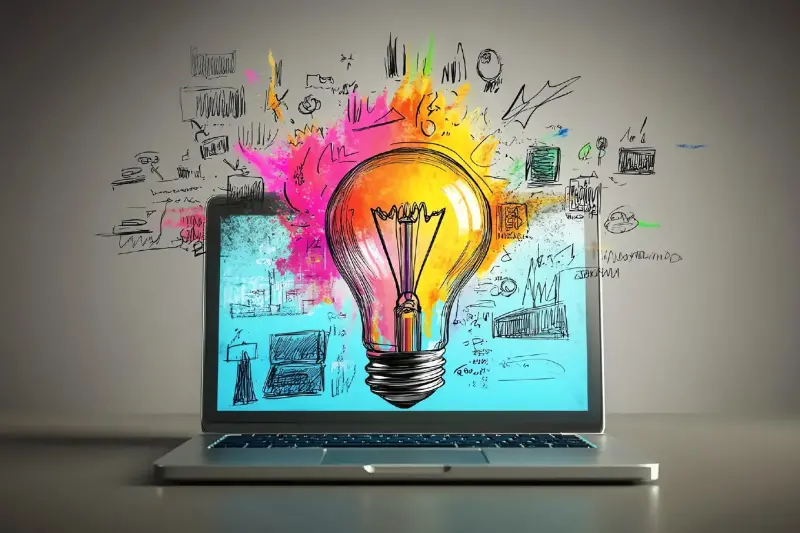
By integrating machines into their process, creators amplify output and experiment with forms they may never have imagined solo.
Fact: More than 70% of marketing professionals now rely on AI-powered tools for some aspect of campaign production.
Curiosity Meets Caution: Challenges on the Horizon
The rise of machine creativity prompts fascinating questions. Who owns the rights to machine-generated works? How do we guard against deepfakes or misinformation, engineered at scale by AI? And as the definition of originality expands, will consumers appreciate the difference between “handmade” and “AI-made” content?
As boundaries shift, society finds itself at the crossroads of excitement and unease, with ethics, law, and innovation racing to keep pace.
The future of content creation pulses with possibilities, where machines and humans inspire, challenge, and learn from each other in unexpected ways. Perhaps the most pressing question isn’t whether AI will overshadow human imagination—but how we’ll fuse our collective ingenuity to craft stories no single mind or machine could produce alone. The creative journey is only just beginning—where might it lead us next?