


Every juicy tomato, crunchy carrot, or glossy eggplant we pick from the garden or market is a product of months of careful growth. But what happens when the harvest is abundant and there’s simply too much to eat at once? For centuries, people have embraced ingenious ways to save the harvest and savor it year-round. Today, timeless preservation methods meet high-tech solutions, offering more ways than ever to keep vegetables fresh, tasty, and nutritious. Let’s explore fascinating facts and practical tips about vegetable preservation that unite the best of the past and the future.
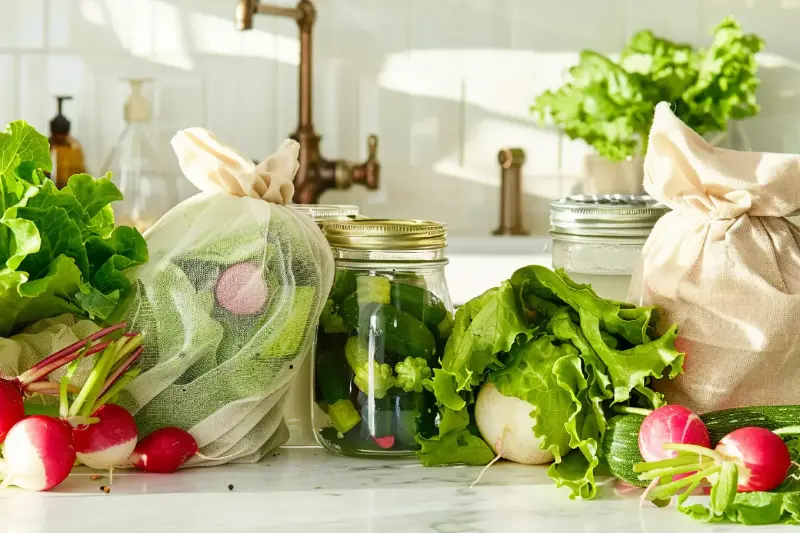
Traditional Methods: Nature’s Own Techniques
Long before refrigerators and vacuum sealers, our ancestors mastered the art of making food last. Time-honored techniques like drying, fermenting, pickling, and root cellaring aren’t just survival stories—they’re flavorful traditions that have shaped global cuisines.
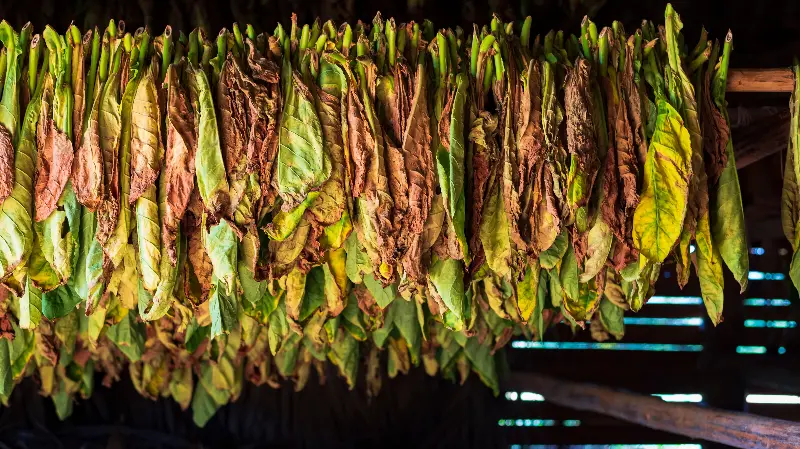
Drying is one of the oldest preservation techniques, dating back at least 4,000 years. Early civilizations in the Middle East and Asia dried vegetables in the sun, locking in flavors and nutrients. Modern methods like dehydrators speed up this process, but the basic science is unchanged: removing water inhibits bacteria and mold, leaving you with crunchy kale chips, chewy sun-dried tomatoes, or portable snack mixes.
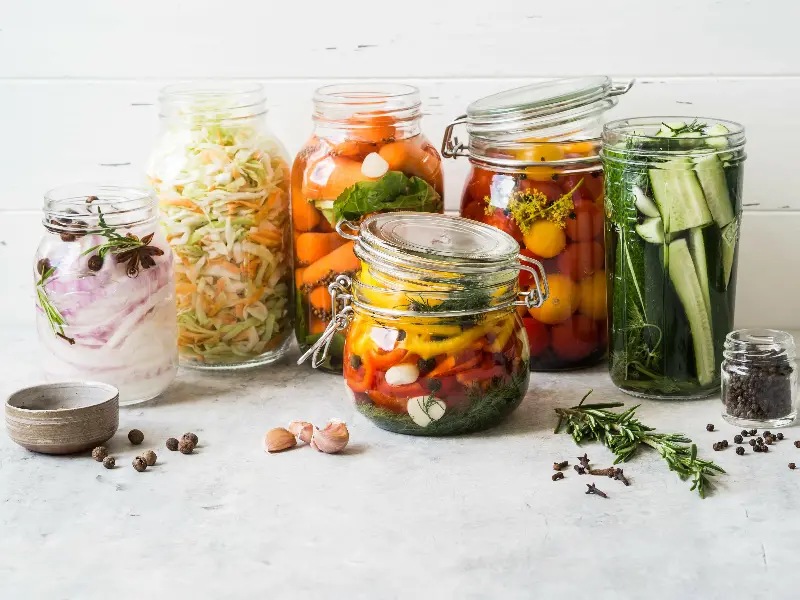
Fermenting isn’t just about cabbage turning into sauerkraut. All over the world, fermentation preserves not only cabbage but also beets, carrots, cucumbers, and more. The process relies on beneficial bacteria, which not only ward off harmful microbes but also enhance digestion and create tangy flavors full of probiotics.
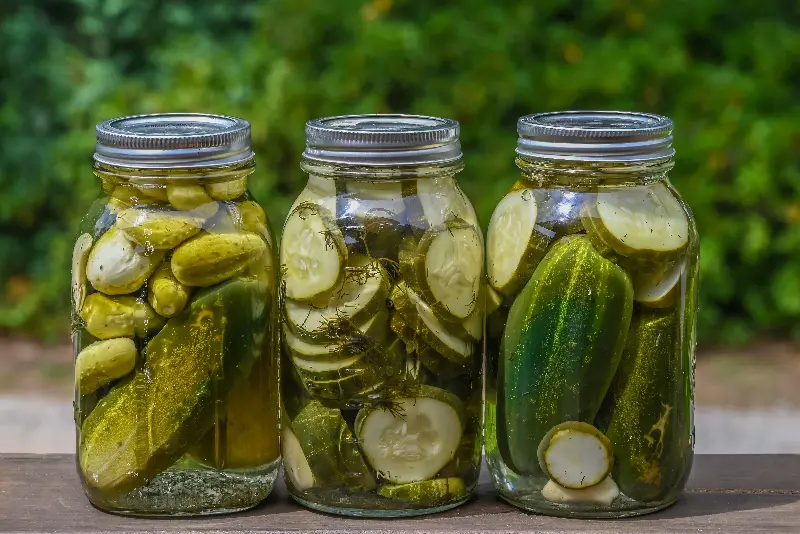
Pickling, too, was once about survival—using salt or vinegar to create an acidic environment where bacteria struggle to grow. Whether it’s crisp cucumbers, spicy jalapeños, or vibrant cauliflower florets, pickling infuses vegetables with bold tastes and extends their shelf life for months.
Root cellaring, though perhaps less glamorous, is brilliantly simple. Before modern refrigeration, cool, dark cellars lined with straw or sand stored carrots, potatoes, and beets through harsh winters. With consistent humidity and temperature, this method can keep root vegetables fresh for months while they slowly convert starches to sugars, actually improving their flavor in some cases.
Modern Marvels: High-Tech Preservation at Home
Today, technology has expanded the toolkit for home preservers and busy cooks alike. Freezing, vacuum sealing, and even smart preservation devices make it easier than ever to keep your veggies at their peak.
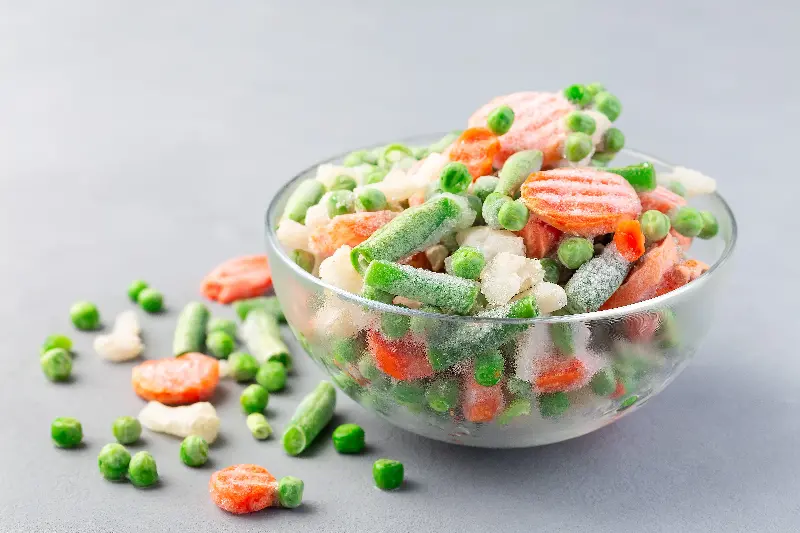
Freezing is perhaps the ultimate modern shortcut: most vegetables can be “blanched” in boiling water for a minute or two, then cooled rapidly and stored in airtight containers or bags. Freezing dramatically extends shelf life without compromising too much on flavor or nutrition. Did you know that frozen peas or green beans often retain more vitamin C than their “fresh” counterparts on supermarket shelves, which may have spent days in transit?
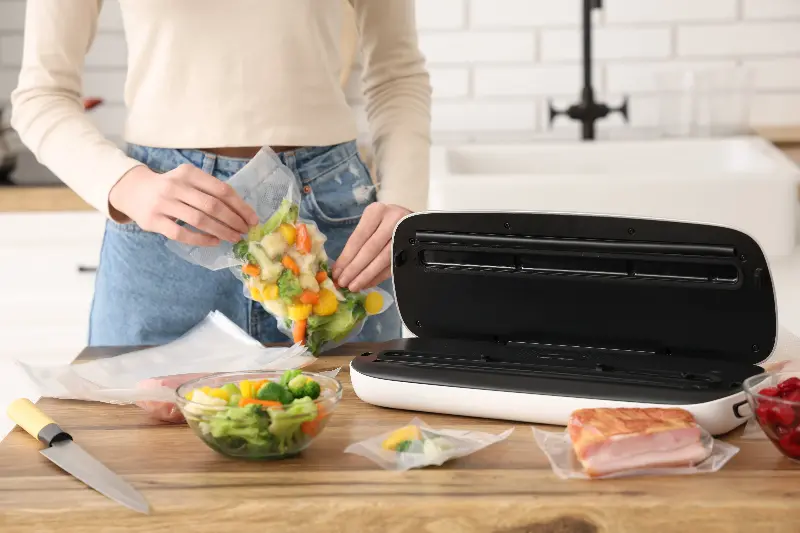
Vacuum sealing has become increasingly popular for anyone looking to save space and prevent waste. By removing air from the storage bag, this technique keeps veggies fresher for longer in the fridge or freezer. No freezer burn, no mystery icicles—just fresh-tasting produce at your convenience. Some high-tech vacuum sealers now connect to smartphone apps to monitor storage times and recommend optimal conditions for different types of veggies.
Cutting-edge preservation ideas are also on the rise. Devices that use ultraviolet light or ozone to sterilize produce, or temperature-controlled smart containers that adjust humidity, are gradually finding their way into home kitchens. These gadgets not only prolong freshness but also reduce the risk of spoilage, helping families and food lovers get the most out of their harvest.
Blending the Old and the New
Preserving vegetables doesn’t have to be complicated—or all-or-nothing. Many people combine traditional methods with modern twists for the best results. For example, after fermenting hot peppers in old-fashioned crocks, you can vacuum seal the finished product to further extend its shelf life. Sun-dried tomatoes can be frozen for longer-term storage, and classic pickles can get a flavor boost with new blends of spices and salt alternatives.
Community initiatives and online resources have made vegetable preservation more accessible than ever. Urban home canning classes, food co-ops, and global recipe exchanges inspire people to rediscover these practices and share their successes. Social media teems with inventive twists on classic methods, from kimchi-flavored green beans to air fryer-dehydrated zucchini “bacon.”
Why Save the Harvest? Benefits for You and the Planet
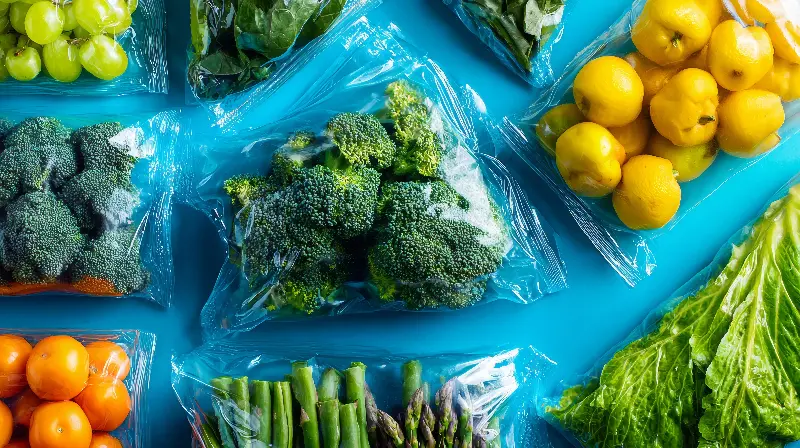
Preserving your own vegetables isn’t just about convenience or deliciousness, though those are rewarding in themselves. Saving the harvest reduces food waste—a staggering problem worldwide, with roughly one-third of food produced going uneaten. When you bottle, freeze, or pickle extra produce, you save money, extend your pantry, and help the environment by cutting down on spoilage and unnecessary packaging.
On a personal level, there’s something deeply satisfying about opening a jar of last summer’s tomatoes on a chilly winter day, or adding home-pickled beets to a weeknight salad. Home-preserved vegetables often retain more nutrients, boast pure flavors, and avoid artificial additives found in store-bought products.
Preserving vegetables is an act of love for your harvest, your health, and the future. Whether you go for age-old techniques or the latest tech, there’s never been a better time to experiment, learn, and taste what nature gives us all year long.