


australians are embracing minimalist lifestyle trends in a way that’s both reflective of global shifts and uniquely influenced by their own culture and environment. what used to be a niche philosophy found mostly in design magazines and wellness blogs is now making its way into mainstream australian life. from the country’s urban centers to its regional communities, minimalism is becoming more than a style – it’s a conscious way of living that is changing homes, wardrobes, and even the way australians spend their free time.
part of the appeal is practical. australian homes, especially in cities like sydney and melbourne, are getting smaller as population density increases and housing prices soar. open-plan apartments and tiny homes are on the rise, with younger generations and empty-nesters alike looking for smarter, more efficient ways to use space. this shift isn’t just about decluttering or organizing – it’s about valuing quality over quantity and finding satisfaction in simplicity.
the minimalist movement in australia isn’t limited to physical spaces. it’s woven into daily routines and spending habits. figures from the australian bureau of statistics show an increase in households selling or donating unused items, like clothes, electronics, and kitchen tools. thrift stores and online selling platforms such as gumtree and facebook marketplace have reported steady growth, as people seek to let go of unnecessary belongings. this penchant for “shedding the excess” isn’t just good for personal well-being – it’s reducing the waste load on local landfills, fitting neatly into the broader push for environmental sustainability.
australia’s love of nature is another factor driving the minimalist trend. national parks, beaches, and bushlands are never far away for most people, and many australians report feeling their best when outdoors. minimalist living, then, frees up both physical and mental space for the experiences and activities that matter most – like surfing, hiking, camping, or simply enjoying a barbecue in the backyard. experiential living is increasingly favored over material accumulation; australians are traveling lighter and spending on memories rather than souvenirs.
the movement has even found its way onto tv screens and social media. popular australian shows like “space invaders” and “the living room” feature decluttering and home makeover segments that promote minimalist aesthetics and philosophies. leading australian instagram influencers are championing sparse, light-filled interiors and capsule wardrobes, reaching audiences of thousands. hashtags such as #declutterdownunder and #minimalistaus have gained traction online, reflecting a sense of collective participation in this simplifying wave.
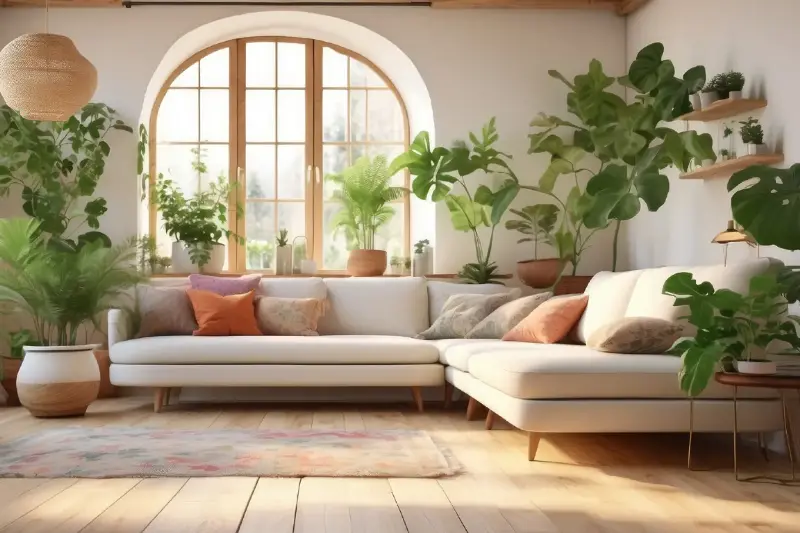
but what exactly defines an australian approach to minimalism? part of it is aesthetic – a clean, sunlit look with neutral colors and a focus on sustainable materials like timber, linen, and ceramics. there’s a laid-back, unpretentious freshness, inspired by the outdoor-centric australian lifestyle. at home, open shelves and large windows connect living spaces to leafy gardens or city views, blurring boundaries between inside and outside.
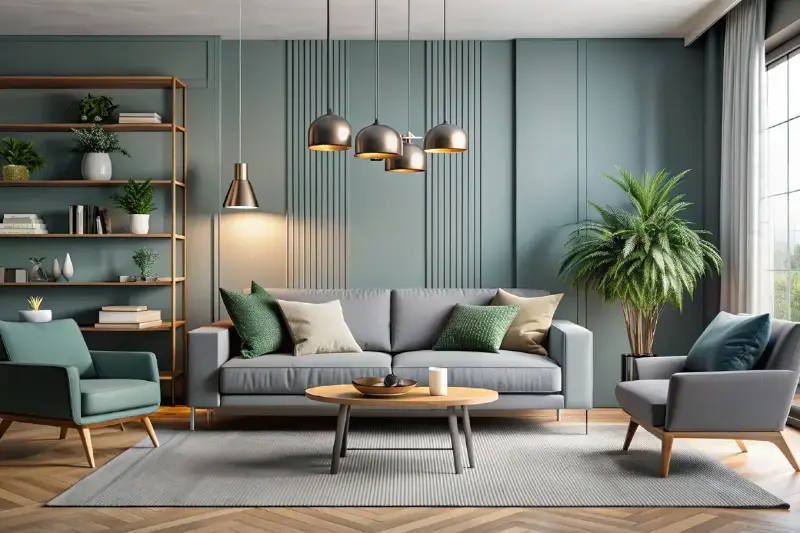
beyond aesthetics, many australians define minimalism as a process of choosing what matters, not just what to get rid of. it’s a mindful approach to consumption, rooted in the old aussie maxim “less is more.” young professionals, for instance, are investing in versatile clothing and buying fewer, higher-quality pieces. families are adopting “one-in, one-out” policies for toys and gadgets, while retirees are downsizing and gifting heirlooms rather than accumulating more possessions.
perhaps most telling is how minimalism is shaping the australian workplace. the shift to remote work, triggered by the pandemic, encouraged many to rethink their home-office setups. companies are experimenting with flexible workspaces, and employees are trimming distractions – both literal and digital. there’s a move towards “digital minimalism,” where australians are curating their apps, subscriptions, and even screen time, aiming to minimize digital clutter in tandem with physical clutter.
minimalism has also intertwined with australia’s robust sustainability movement. australian brands are leading the way with eco-friendly, minimalist products – think reusable coffee cups, organic bedding, and plant-based skincare. the call for “reduce, reuse, recycle” is echoed in community swaps, repair cafés, and zero-waste shops across urban and regional areas. these initiatives make minimalism a collective effort, with community gardens and tool libraries giving more people access to shared resources.
interestingly, research has found that embracing minimalism often has positive effects on mental health. surveys conducted by beyond blue, an australian mental health organization, indicate that cluttered environments can increase stress and anxiety, while tidier, simpler spaces promote calm and focus. australians who adopt minimalist routines report better sleep, improved productivity, and a greater sense of control over their daily lives.
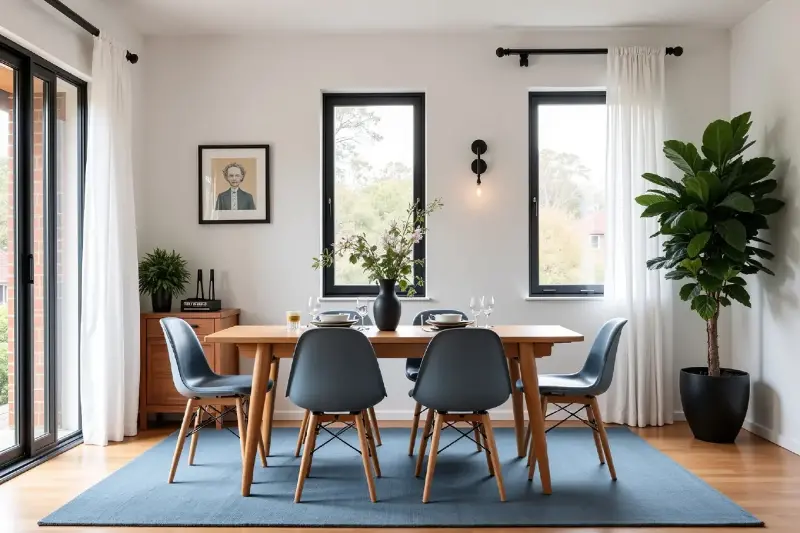
one especially aussie take on minimalism is the “tiny house movement,” which is gaining momentum in suburban and rural areas. these small, often off-grid homes are not only affordable but encourage owners to live intentionally, with limited space for non-essentials. in fact, tiny house festivals and open days, where visitors can tour compact homes and learn about minimal living, are attracting growing crowds nationwide.
of course, minimalism isn’t without its critics. some argue that it risks becoming just another lifestyle trend, marked by high-priced designer basics and social media posturing. however, for many australians, the motivation goes deeper. it’s about weathering economic uncertainty, coping with environmental changes, and building communities based on shared values rather than shared stuff.
as australians continue to adopt minimalist principles, what’s clear is that it’s more than a fleeting trend. it’s an evolving philosophy with practical, psychological, and environmental benefits – and it looks set to shape the way australians live and connect for years to come. whether in a beach shack, a city loft, or a tiny house in the outback, the minimalist lifestyle, aussie-style, is all about creating more space for what truly counts.