


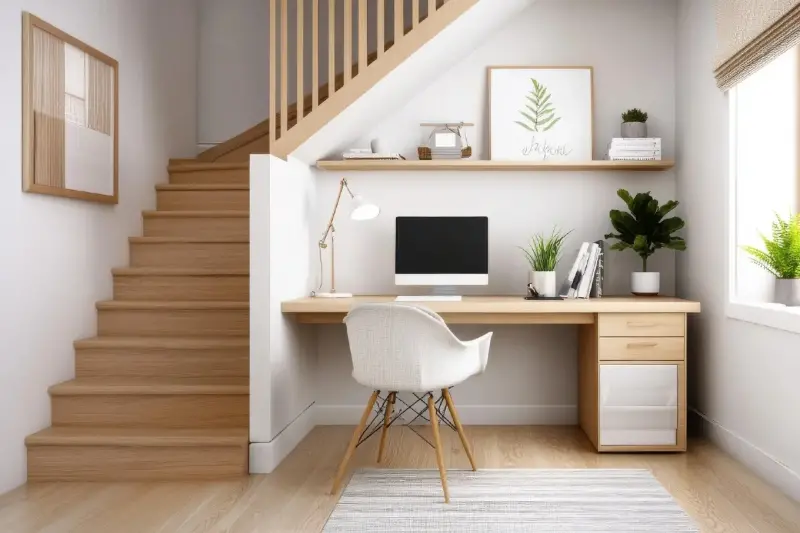
embracing minimalist living in small spaces: easy strategies for a simpler lifestyle
living in a small apartment, condo, or a shared home can feel challenging when it comes to fitting all of your favorite belongings without creating clutter. however, many people are discovering that less really can be more, especially when it comes to minimalist living. reducing excess not only creates a feeling of spaciousness but also makes daily routines smoother and more enjoyable. below are practical, interesting ways you can practice minimalist living—even in the tiniest of rooms.
start with intentional decluttering
perhaps the most famous starting point for minimalist living is decluttering. but what does it really mean to declutter with intent? rather than simply tossing items in frustration, try asking a simple question about every object: does this serve a purpose or bring me joy? studies show that our brains process visual clutter as chaos, increasing stress. clearing out what doesn't add value can actually help create a peaceful, more productive environment.
one popular decluttering tip is the one-in, one-out rule: for every new item you bring into your space, let go of something else. this keeps belongings at a manageable number and encourages you to be thoughtful about new purchases.
focus on multi-functional furniture
when every square foot counts, your furniture can do double—or even triple—duty. look for beds with built-in drawers, extendable tables, or ottomans that open up to store blankets, books, or seasonal items. some of the most popular choices for small spaces include convertible sofas, nesting side tables, and wall-mounted desks that fold out of sight when not in use.
choosing multi-functional pieces doesn’t just save space; it reduces the need to own separate furniture for every activity. ultimately, it turns your room into a flexible, adaptable environment where you can sleep, work, dine, and entertain guests comfortably.
keep only the essentials
minimalism doesn’t mean having nothing—it means having what matters. focus on keeping items that serve a genuine purpose in your life right now. if you haven’t used your bread maker in a year, maybe it’s time to sell or donate it. that extra set of dinner plates you keep for “someday” might be better off in someone else's kitchen.
experts recommend doing a seasonal review of your belongings, especially clothing, kitchen gadgets, and decor. you might be surprised what you no longer need or want. donating unused items not only clears your space but also supports your community.
embrace vertical space
living small means thinking tall. many people overlook the storage potential right above their heads. floating shelves, wall hooks, and ceiling racks can hold everything from pots and pans to plants and books. in the bathroom, vertical storage keeps toiletries organized and off valuable countertop space. in the bedroom, consider high shelves for out-of-season clothing or accessories.
according to interior designers, vertical storage can make ceilings feel higher and rooms more expansive, drawing the eye upwards and creating an airy effect.
create visual calm with simple design
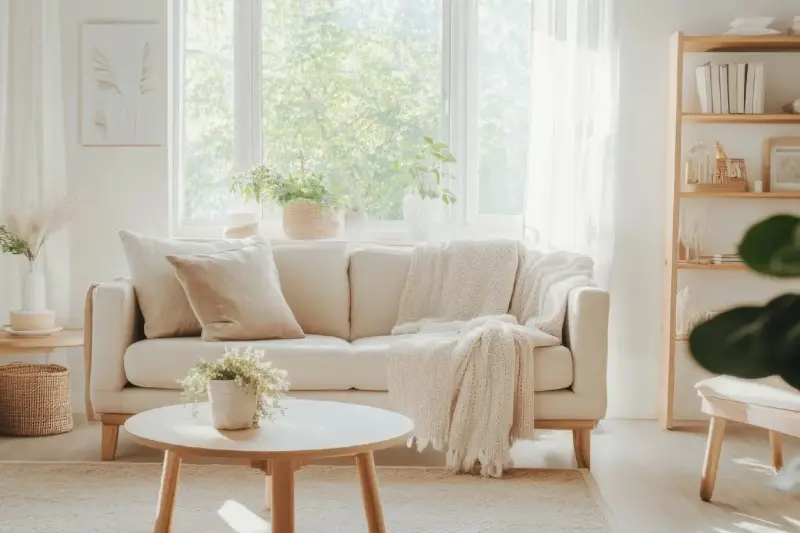
a big part of minimalist living is creating a sense of visual rest. try sticking to a cohesive, light color palette to make your space feel open and unified. choose decor that’s simple in design and keep surfaces as clear as possible. it’s not about being stark or cold, but about using calm, consistent elements—think soft neutrals, a single piece of eye-catching art, or matching storage bins.
research has shown that a clean, simple visual environment can actually help people focus better and relax more easily. in a small space, every object stands out, so be intentional with what’s on display.
adopt mindful shopping habits
minimalist living isn’t just about throwing things out; it’s also about adjusting how you bring new things in. before making a purchase, ask yourself if the item is truly necessary—or if there’s something you already own that serves the same purpose.
buying quality over quantity is another minimalist principle. one well-made, versatile item can replace three flimsy alternatives. this approach saves money, reduces waste, and leads to a more organized, streamlined home.
maximize light and openness
small spaces can feel closed in, but minimalism helps create a sense of spaciousness. keep windows clear of heavy drapes and let natural light flow into the room. if privacy is needed, lightweight blinds or sheer curtains will do the trick without blocking daylight.
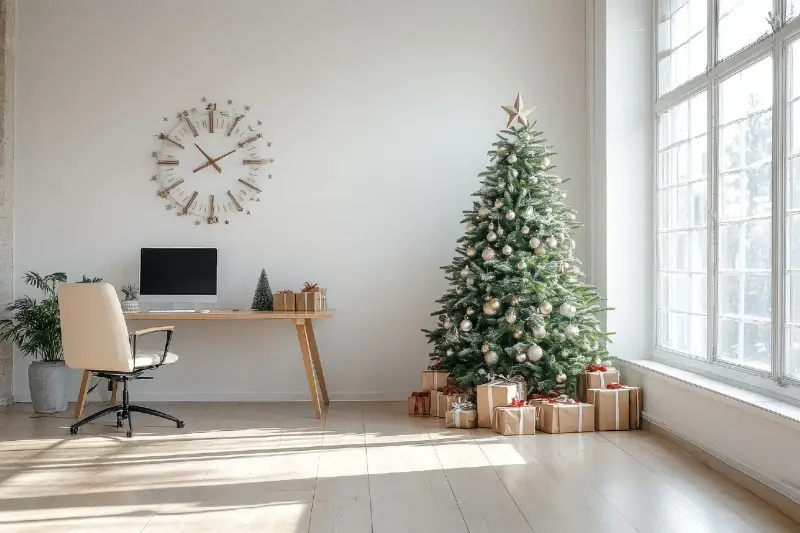
using mirrors strategically can reflect light and visually double your space. even a single mirror on the wall can make a narrow hallway or compact living room feel larger and brighter.
develop daily tidying habits
a little maintenance goes a long way. spending a few minutes each day putting things away helps prevent clutter from reappearing. consider routines like making the bed each morning, wiping down surfaces, and having a designated spot for items like keys and mail.
minimalists often swear by the habit of resetting the space before going to bed each night. waking up to a tidy environment sets a positive tone for the day and makes even small homes feel welcoming.
enjoy the freedom of less
one of the greatest benefits of minimalist living is emotional well-being. when you’re not burdened by excess stuff, you have more time, energy, and attention for what truly matters—be it relationships, creativity, or relaxation. many people report feeling lighter and less stressed after minimizing their belongings and commitments.
ultimately, minimalist living in a small space isn’t just about having less for the sake of it. it’s about gaining more: more order, more freedom, and more room to focus on the joys of everyday life. try introducing these simple strategies into your own space and see how even the tiniest of homes can become a sanctuary of calm and satisfaction.