


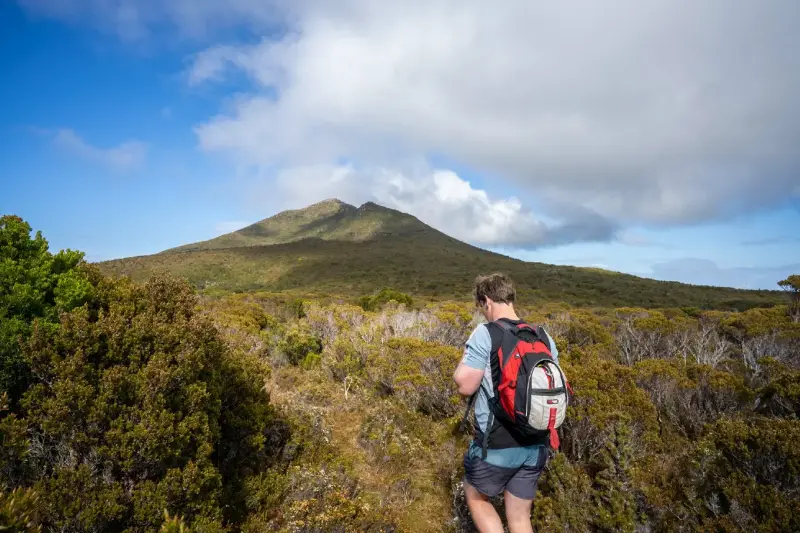
new zealand’s wild beauty draws hikers from around the globe, but its dramatic landscapes come with challenges unlike anywhere else on earth. whether you’re trekking through misty fjords, climbing volcanic slopes, or wandering through lush rainforests, hiking in new zealand can be a truly magical (and safe) experience—if you’re well prepared. here’s what you need to know before you lace up your boots.
understanding the kiwi terrain
new zealand is made up of incredibly diverse terrain. within a single day you might go from blustery beach to dense bush to alpine meadows. north island is famous for its volcanic features and subtropical forests, while the south island boasts the rugged southern alps, glacial valleys, and iconic fjords. each ecosystem has its own weather patterns and risks, so even easy-looking trails can turn challenging quickly.
one interesting fact: new zealand has no large predators such as bears or snakes to worry about. you could say the country’s biggest animal threat is the sandfly—a tiny biting insect in places like fiordland and the west coast. strong insect repellent is a must-pack item.
choose your trail wisely
from world-renowned “great walks” like the routeburn track and tongariro alpine crossing to lesser-known day walks, there’s a trail for every experience level. check the department of conservation (doc) website for up-to-date trail conditions: storms, heavy rainfall, or even landslides can close or affect many tracks, sometimes with little notice.
be realistic about your fitness and skills. tracks are graded by difficulty, from “easy access short walks” to “advanced tramping tracks” that require backcountry skills and navigation. the weather, changing rapidly—especially in alpine areas—can turn a pleasant walk into a survival situation if you’re unprepared.
essential gear: prepare for all seasons
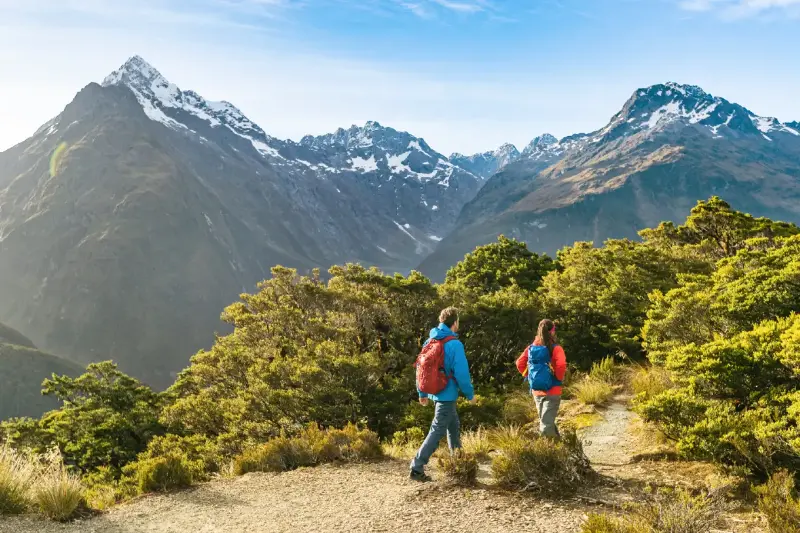
packing for a hike in new zealand can feel like prepping for four seasons in one day, because sometimes that’s exactly what you’ll experience. your list should include:
- quality rain jacket and pants: sudden downpours are common, even in summer
- layered clothing: merino wool is a favorite among kiwis because it regulates temperature and doesn’t hold odor
- sturdy waterproof boots: muddy, uneven, or slippery terrain is common
- hat and gloves: alpine chills can descend quickly
- headlamp (with extra batteries): daylight hours are short in winter, and even day walks can stretch longer than expected
- map and compass or gps: many tracks have limited cellphone reception
- emergency blanket or bivvy: hypothermia is a real risk
- basic first aid kit and supply of personal medications
for longer treks, a personal locator beacon (plb) is highly recommended. if you’re hiking alone, a plb can be a literal lifesaver if you get injured far from help.
weather: expect the unexpected
new zealand’s weather is famously unpredictable. a sunny morning can turn into a rainstorm or snow flurry within hours, especially in the mountains. always check the latest weather reports before your hike (metservice and doc are essential sites) and be ready to turn back if conditions change.
in alpine regions, even moderate tracks can become treacherous in poor weather. if forecast warnings mention “severe gales” or “heavy rain,” it’s best to reschedule. remember, being safe is cooler than completing a hike in a storm.
tell someone your plans
a crucial safety step: always let someone know your route and expected return time. most popular trailheads have ‘intention books’ to sign in and out. or use doc’s online intentions system. if something goes wrong, this step ensures someone will know where to look for you.
on popular tracks, you might encounter ‘hut wardens’—volunteers who check on hikers staying overnight. on backcountry routes, you’re often completely alone, so personal responsibility is huge.
respect the environment—and yourself
new zealanders value their pristine wilderness, so following leave no trace principles is expected. pack out everything you bring in, stick to marked trails to protect fragile plants, and don’t feed wildlife. be aware that some streams and rivers can be hazardous to cross—water that looks shallow or slow-moving can become dangerous after rain. don’t risk it; if in doubt, turn back.
another fascinating tidbit: many of new zealand’s backcountry huts, used by trampers for decades, operate on a system of trust. some require hut tickets or bookings, especially on great walks, but many more remote huts are first-come, first-served. reading up on hut etiquette is a great way to blend in and make friends.
cultural awareness: walking with respect
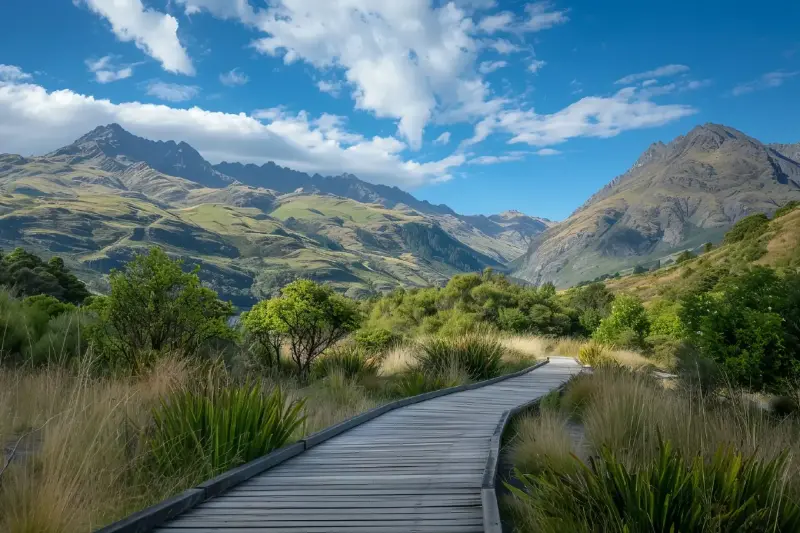
many new zealand tracks pass through or alongside land with deep maori significance. places like tongariro and taranaki are considered sacred mountains. pay attention to trailhead signage and be respectful of any special requests or tapu (restricted) areas.
if you’re hiking with a guide or on a tour, don’t be afraid to ask about the cultural heritage. many operators are keen to share local myths and stories—it’s a highlight for many travelers.
unique wildlife encounters
hiking here, you might spot curious kea parrots, shy kiwi birds, or even dolphins playing in the surf nearby. remember, all native birds are protected, and some—like the morepork owl or flightless takahe—are rare treats to see. the best way to encounter wildlife is by walking quietly and respectfully through their habitat.
after the hike: reward yourself
one of the joys of hiking new zealand? finishing with a soak in a natural hot spring, a pub meal in a tiny town, or a chat over a flat white (the local coffee specialty). time your treks to include these local rewards—they’re part of what makes hiking here so memorable.
in summary, the secret to hiking safely in new zealand is preparation, respect for nature (and yourself), and embracing the adventure. go slow, stay flexible, and enjoy one of the world’s most incredible walking destinations—kiwi style.