


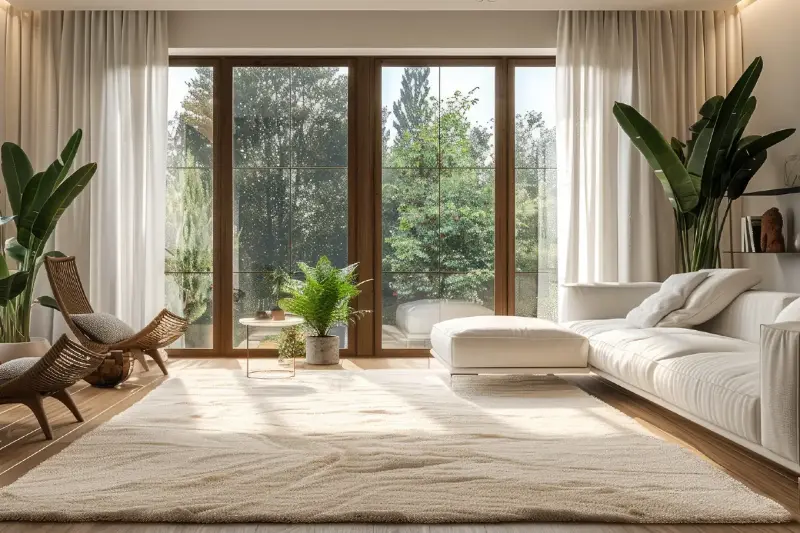
in a world overloaded with information, possessions, and daily chaos, many americans are discovering something liberating—minimalism. at its core, minimalist living is more than just tossing out old clothes or swapping chunky furniture for sleek alternatives. it’s about intentionally simplifying your space and lifestyle to make room for what genuinely matters. if you’ve often found yourself overwhelmed by clutter or yearning for a streamlined space that brings peace, adopting some easy minimalist living tips might be exactly what your home and mind need.
first, it’s worth noting that minimalism isn’t about deprivation or sterile, cold interiors. it’s about creating a calming environment that gives you both visual and mental clarity. interestingly, studies from the princeton neuroscience institute found that physical clutter actually competes for your attention, resulting in decreased performance and increased stress. so, making a habit of decluttering can be more transformative than it might first appear.
when starting your minimalist journey, one of the best approaches is the “one-in, one-out” rule. every time you bring something new into your home, whether it’s a piece of clothing, a kitchen gadget, or decorative item, make a conscious effort to let go of something similar. this simple practice keeps your overall belongings in check and encourages mindful purchasing.
a practical minimalist tip is to tackle one area at a time. trying to overhaul your entire home at once can feel daunting and quickly lead to burnout. instead, start with a single drawer or countertop. clear it completely, and only return items that serve a clear purpose or bring you real joy. donation centers, local shelters, or even online community groups are excellent methods for rehoming items you no longer use, ensuring that decluttered possessions go on to serve someone else.
minimalists love storage solutions—but not just any storage. the key is smart, multi-functional pieces that don’t simply hide clutter but help prevent its accumulation. ottomans with internal storage, slim vertical shelving, and baskets designated for specific frequently-used items can reduce mess and keep essentials easily accessible.

digital clutter can be just as stressful as physical mess, especially as our lives grow increasingly tech-oriented. a great minimalist habit is to set aside regular time—maybe once a month—to delete unused apps, tidy up your email inbox, and move photos or files onto external drives or cloud storage. a decluttered phone or computer can make daily tasks feel lighter and less overwhelming.
often, we view gifts, family heirlooms, or items “still in good shape” as burdensome to part with. but minimalism encourages us to honor the memories without keeping unnecessary things. consider taking photos of sentimental objects before passing them on. this way, you preserve the memory without sacrificing valuable space.
color palette plays a subtle but powerful role in minimalist living. neutral tones like white, beige, or gray can create a serene base, making rooms feel larger and less chaotic. if you crave color, choose a few intentional accents—perhaps a cobalt vase or a mustard throw pillow—to add personality without overwhelming your senses.
setting boundaries with shopping habits helps maintain a minimalist home. before making purchases, pause and ask yourself: “do i truly need this?” or “will this item add value to my life?” delayed gratification often reduces impulse buys. keeping a wish list for a set period, like 30 days, can help you determine if you genuinely want or need something after the initial urge passes.
one fascinating minimalist concept is the “capsule wardrobe.” it involves curating a limited selection of versatile, high-quality pieces that all mix and match well. not only does this simplify your morning routine, but it also frees up closet space and reduces laundry. some minimalists report enjoying their wardrobes more after paring down, since every item gets much more wear and appreciation.

kitchen decluttering can also work wonders for both the look and function of your home. removing duplicate utensils, outdated food, or appliances gathering dust frees up precious counter and cabinet space. consider storing daily-use items within easy reach and keeping seldom-used gadgets out of sight. a minimalist kitchen encourages home-cooked meals and makes them less stressful to prepare.
in the bathroom, clear countertops by paring down to staple products you love and use daily. store backstock under the sink or in labeled bins. the bonus: a cleaner bathroom is quicker to wipe down and feels instantly more spa-like. similarly, keep only the most essential first-aid and wellness items on hand; you can always purchase less-frequently-used products as needed.
minimalist living goes beyond possessions—it includes time and routines too. streamline your daily schedule by prioritizing commitments and saying “no” to obligations that don’t align with your goals or values. carving out time for reflection, family, or nature can be just as rejuvenating as a clutter-free living room.
finally, remember that decluttering doesn’t have to be a swift, one-time event. the minimalist lifestyle is a gradual process of reassessment. as your needs shift, continue editing your environment. celebrate small wins, whether it’s clearing out a junk drawer or donating a bag of clothes.
in the end, easy minimalist living is about creating a home and life that feels light, intentional, and uniquely yours. the less excess you have, the more space you gain—not just in your rooms, but in your mind and spirit. try a few of these specific tips and see if a simpler, calmer life awaits just on the other side of decluttering.