


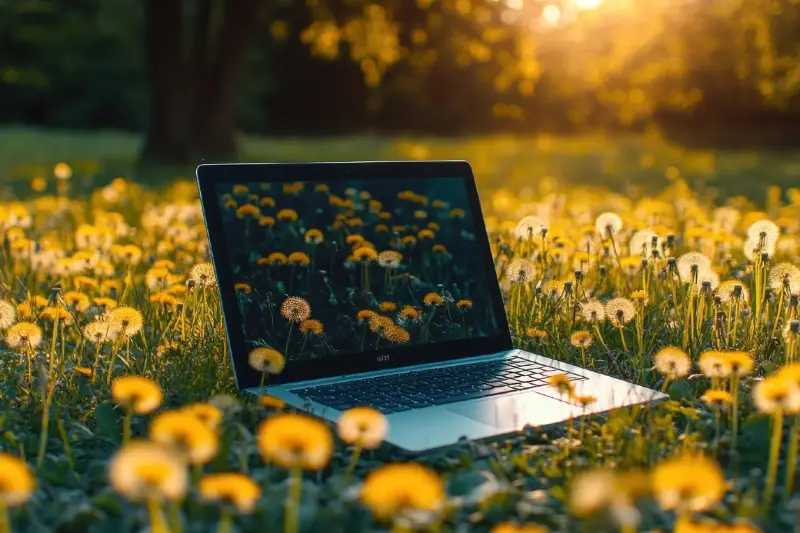
in a world where smartphones chirp constantly in our pockets and notifications demand our attention at every turn, the pace of life seems only to accelerate. messages, emails, and endless updates compete for our focus, leaving many of us feeling overwhelmed, anxious, and perpetually “behind.” yet, amid this digital whirlwind, a surprising antidote has gained quiet traction: slow living. what makes this gentle lifestyle philosophy so effective for restoring balance? let’s look at how intentionally slowing down helps counteract the pressures of a fast-paced, always-connected world.
at its heart, slow living is about building mindfulness and intention into daily activities. it doesn’t necessarily mean giving up modern conveniences or moving to a remote cabin in the woods—it refers to making conscious choices about how we spend our time and energy. advocates of slow living suggest that by pulling back from relentless busyness, we rediscover the richness in ordinary moments and foster greater satisfaction.
one compelling reason why slow living balances digital chaos is the effect it has on our brains. multitasking with multiple screens splinters our attention and can lead to something researchers call “attention residue,” a concept studied at places like harvard business school. when we constantly switch between tasks—say, answering emails while checking social media and glancing at the news—our focus lags behind, reducing productivity and raising stress levels. by contrast, embracing slow living means single-tasking: fully engaging with one activity, whether it’s preparing a meal or taking a walk. this deep focus is not only more productive, but it also has a calming effect on the brain, helping to lower the elevated cortisol levels associated with chronic stress.

slow living also invites us to disconnect, at least temporarily, from the digital grid. for many, the idea of a “digital detox” can seem daunting, yet just a few hours a day spent away from screens can significantly improve mood and mental clarity. studies have shown that regular screen breaks help regulate sleep patterns by reducing exposure to blue light, especially before bedtime, which is linked to a better quality of rest and improved cognitive functioning the following day. in this way, slow living doesn’t reject technology altogether, but encourages more intentional and strategic use.
another underestimated benefit of slow living is its positive impact on relationships. when the pace of daily life slows down, we are able to be more present with our partners, children, friends, and colleagues. shared meals, meaningful conversations, and simply lingering over a cup of coffee with a loved one can all lead to deeper connections. psychologists often remind us that social bonds are essential for mental well-being—yet hurried lives leave little room for genuine interaction. slow living carves out the space for connection, which in turn nourishes our sense of belonging and contentment.
there’s also the matter of creativity. fast-paced digital lifestyles often leave little margin for imagination or innovation because our brains are consumed with reacting rather than creating. by stepping back from the race, slow living nurtures exploratory thinking. whether it’s through journaling, gardening, or simply daydreaming, these slower pursuits open the door to inspiration. in fact, many celebrated writers and artists include long walks or moments of solitude in their routines, crediting these pauses with fueling their most original ideas. it seems that a quieter mind truly is more fertile ground for creativity.
interesting too is the connection between slow living and better physical health. high-speed digital living tends to encourage sedentary habits—hours hunched over laptops or scrolling through phones. slow living, on the other hand, often incorporates intentional movement. it might be a gentle yoga session, a leisurely bike ride, or mindful breathing exercises during the day. not only do these practices boost endorphin levels, but they also serve as regular reminders to tune into our bodies, countering the numbness that can come from sitting still for too long.
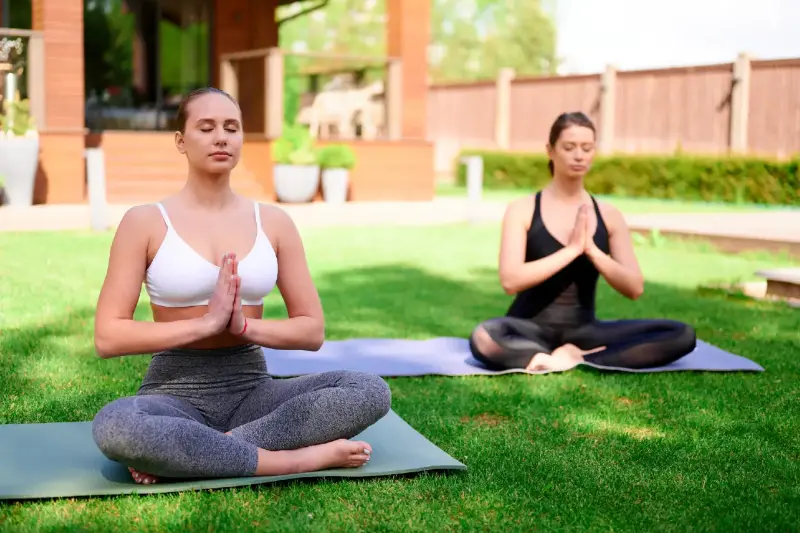
it’s important to acknowledge, however, that slow living is not about romanticizing idleness or ignoring responsibilities. it’s about recalibrating priorities and learning when to say “no” to the unnecessary rush. for example, you might experiment with a “slow morning” routine—waking up a bit earlier to savor your coffee, meditate, or read something inspiring before checking your phone. or, try setting boundaries around work emails after hours, allowing your mind to fully transition into personal time. small changes such as these are not only manageable, they’re proven to enhance a sense of control and satisfaction in daily life.
what’s especially fascinating is how global and cross-cultural this movement has become. inspired by the italian “slow food” movement—which started as a response to fast food’s creeping dominance in the 1980s—slow living philosophies now inform everything from urban design to tourism. cities across scandinavia promote “hygge” (the danish concept of cozy contentment), while japanese “forest bathing” encourages mindful immersion in natural surroundings. these traditions remind us that a balanced life can exist even within a modern, technological society; it simply asks for a bit of intention.
as life continues to speed up, slow living offers a gentle yet powerful counterbalance. it’s a reminder that convenience and efficiency are not the only measures of a successful life. ultimately, the greatest luxury may not be the latest gadget, but rather the time and presence to truly enjoy it—and, even more importantly, the people around us. so if you feel like the digital pace is wearing you down, consider pressing pause. adopting just a few slow living habits might be the small shift that makes all the difference.