


In the rapidly evolving landscape of transport, automated driving systems are steering us into a future that once belonged strictly in science fiction. Today, vehicles capable of controlling themselves—sometimes with little to no human input—are becoming increasingly visible on our roads and in our imaginations. While many people are excited by their arrival, others have plenty of questions and a fair share of reservations. Let’s take a look at the real pros, cons, and surprises behind the rise of automated driving systems.

What Is an Automated Driving System?
Before diving into benefits and challenges, it’s worth clarifying exactly what an automated driving system (ADS) is. These systems range from driver assistance features—think adaptive cruise control or lane keeping—to full self-driving cars that can handle almost every aspect of operation without human help. The Society of Automotive Engineers (SAE) has set out six levels of automation, from Level 0 (no automation) to Level 5 (full autonomy, requiring no human involvement at all).
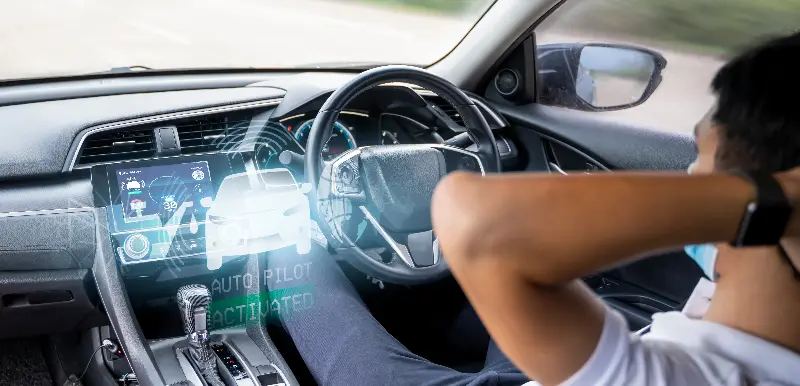
While fully autonomous vehicles are yet to become an everyday reality, we are already seeing Level 2 and Level 3 vehicles weaving into city traffic. These cars can accelerate, brake, and steer under certain conditions, but drivers must still pay attention and be ready to intervene. Yet, as technology advances with every passing year, we’re edging closer to the ultimate goal: cars that can take us from door to door without us even touching the wheel.
The Real Pros: Safety, Convenience, and Accessibility
One of the headline promises of automated vehicles is improved safety. Human errors—such as distracted driving, fatigue, or poor judgement—are responsible for the vast majority of road accidents. Automated systems, on the other hand, don’t get tired, distracted, or angry at other road users. They react faster than any human ever could; some can process thousands of objects around them in a split second. According to some studies, widespread use of automated vehicles could cut accident rates by up to 90 percent.
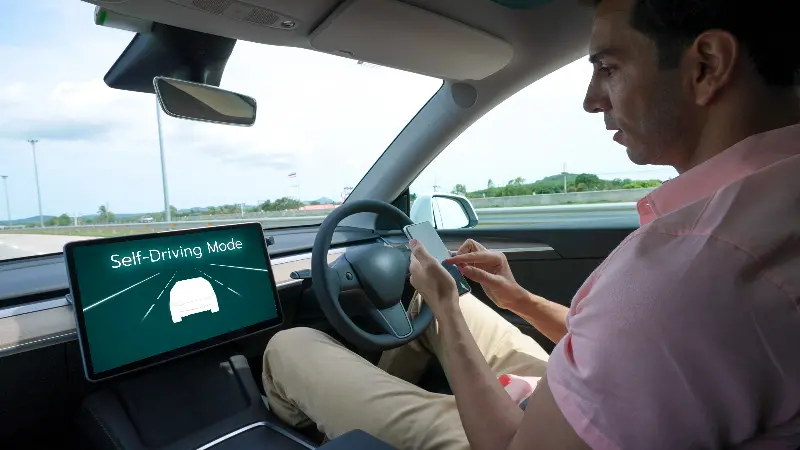
Convenience is another undeniable advantage. Imagine reclaiming all the time spent driving to catch up on work, enjoy a podcast, or simply relax while the car takes care of the journey. Parents could supervise children more closely, while commuters could prepare for meetings on the go. For those who aren’t able to drive due to age or disability, automated vehicles could provide a renewed sense of independence.
The technology also opens up exciting possibilities for shared transport solutions. Fleet-based autonomous taxis could roam cities at all hours, reducing the number of privately owned cars and helping free up valuable urban space currently dedicated to parking.
The Cons: Challenges, Risks, and Public Perception
No revolution comes without its speed bumps. For one, automated driving systems heavily rely on perfect conditions—clear road markings, well-maintained infrastructure, and predictable weather. If these elements are missing, even the most advanced systems can struggle. Heavy rain, snow, or erratic behaviour from other drivers can confuse or temporarily disable the technology.
There are also ethical and legal dilemmas. Who is responsible if an autonomous car gets into an accident—the manufacturer, the software developer, or the “driver” sitting in the seat? Regulations are struggling to keep pace with the technology’s growth, leaving manufacturers and lawmakers playing catch-up.
Another big concern is cybersecurity. Automated vehicles are essentially computers on wheels, making them a tempting target for hackers. A breach could range from a harmless prank to a dangerous takeover of a vehicle’s controls. Makers of modern automated systems are investing heavily in cyber-defence and encryption, but this battle is likely to persist as connectivity expands.
Public perception may also prove a hurdle. According to a recent survey by AAA, nearly three-quarters of drivers in the US reported being too afraid to ride in a fully self-driving vehicle. Gaining trust will take a combination of flawless safety records, transparent communication, and time.
Surprising Discoveries Along the Road
While some developments around automated driving systems are predictable, others have caught even the experts off guard. One surprise is how quickly certain features have become mainstream. Just a few years ago, technologies like automatic emergency braking or advanced parking assistance were luxuries, but now they’re a standard offering in many new models—even in economy cars.
Another unexpected quirk is how automated systems interact with people on foot or two wheels. Pedestrians and cyclists sometimes find themselves hesitating—a moment’s indecision—when confronted by a vehicle that “sees” them but doesn’t make eye contact or signal intent the way a human driver would.
Equally fascinating is how autonomous vehicles are being used outside of passenger transport. Driverless farm equipment is helping farmers work more efficiently, while autonomous delivery robots are starting to ferry groceries and parcels in urban areas.
Where Are We Steering Next?
As automated driving systems mature, they are shaping more than just how we get from point A to point B—they’re transforming how we think about mobility, safety, and urban design. The pros are tantalising: safer roads, fewer daily hassles, and transportation for all. But challenges—both technical and societal—are keeping engineers, regulators, and the public on their toes.
The next decade will be crucial. With continuous improvement in artificial intelligence, sensor technology, and vehicle-to-everything communication, the journey is only just beginning. In the grand tradition of innovation, our relationship with cars is about to be rewritten—and the steering wheel may soon be just a memory for future generations.