


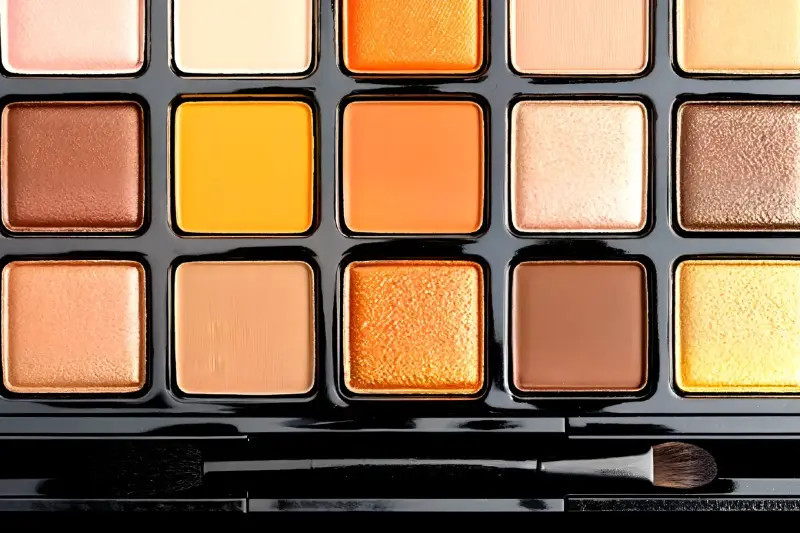
in the fast-evolving world of beauty, the way we discover, shop, and talk about products has changed dramatically. top beauty platforms—think sephora, ulta, amazon, and a new breed of online-only players like glossier and cult beauty—aren’t just places to buy makeup or skincare. they are data-rich ecosystems that shine a spotlight on how and why we shop for beauty in the digital age. here’s what these platforms reveal about modern online shopping habits, along with a few surprising facts that capture the attention of both male and female beauty enthusiasts.
shopping driven by reviews and user generated content
one of the most striking things about today’s beauty shoppers is how much they rely on each other’s opinions. browsing any leading beauty platform, you’ll find thousands of detailed product reviews, star ratings, and user-uploaded photos. according to sephora’s 2023 annual report, over 65% of customers consult reviews before making a purchase online. these reviews aren’t just passive reading material—they’re often lengthy, personal narratives complete with “before and after” pictures, ingredient breakdowns, and updates over time. this peer-to-peer guidance is so influential that more than half of shoppers surveyed by beauty platform ipsy said they would skip a product altogether if it had poor consumer feedback, regardless of the brand’s prestige.
shopping is social
the influence of online communities is undeniable, especially in beauty. leading e-tailers have expanded their platforms with interactive features, such as live chats, beauty forums, and “ask an expert” sections. ulta’s community page, for instance, allows shoppers to share their hauls, post reviews, and join beauty challenges. these social shopping elements turn buying makeup or skincare into a conversation, not just a transaction.
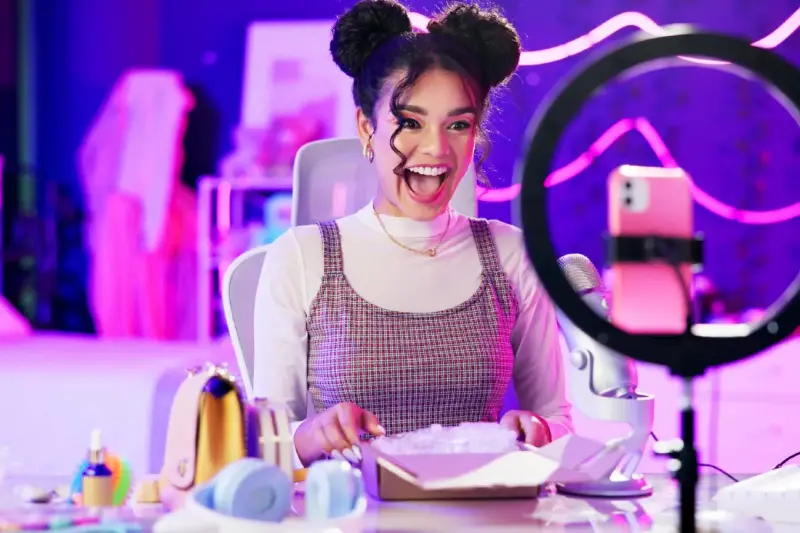
increasingly, men are joining these conversations. sales data from amazon beauty shows a 20% year-over-year increase in male-oriented grooming products, while platforms like sephora are seeing rising engagement in forums dedicated to men’s skincare and haircare. the days of beauty being seen strictly as “women’s business” are fading fast; today, male shoppers are mixing and matching products, seeking advice, and building detailed skincare routines right alongside women.
subscription boxes and personalization
another key trend is the meteoric rise of beauty subscription boxes and algorithm-driven recommendations. ipsy, birchbox, and allure beauty box are just a few platforms catering to shoppers who want to explore new products with minimal effort. these services use quizzes to gauge preferences, skin types, and personal style before delivering curated selections. ipsy alone delivers over a million boxes a month, a testament to the appetite for personalized sampling.
on the digital shelves of larger platforms, personalization is moving beyond subscription boxes. sephora’s ai-powered “color iq” matches foundation shades to unique skin tones, while ulta’s algorithm recommends products based on past purchases and skin concerns. this tech-driven approach appeals to buyers who don’t want to gamble with their cash or risk breakouts from mismatched formulas.
the importance of transparency
beauty shoppers today are also more savvy and skeptical than ever before, craving transparency around ingredients, sourcing, and ethics. top platforms now have dedicated filters so users can shop for “clean beauty,” vegan products, or items free from certain ingredients. cult beauty and sephora let shoppers sort by dozens of ethical categories, signaling just how important these values have become.
manufacturers have taken note: according to a 2023 report by statista, 52% of beauty shoppers aged 18-35 say ingredient transparency influences where and how they buy. as a result, platforms are investing in detailed product pages, which reveal origins, active ingredients, and even third-party certifications.
mobile-first and omnichannel
everyone can agree that beauty shopping is, now more than ever, done on smartphones. sephora and ulta both report that nearly 75% of their online traffic comes from mobile devices. flash sales, early-bird product launches, and app-exclusive deals nudge users to install apps and keep notifications on. this shift has made shopping less linear, blending inspiration, research, and purchasing into one seamless mobile journey.
but despite the prominence of mobile, the beauty industry is one of the front-runners of what’s called “omnichannel” retailing. plenty of shoppers use apps to check reviews or price-compare while browsing in-store. in fact, sephora notes that over half of their in-store customers have already previewed products online before arriving.
the rise of conscious consumption
today’s beauty customers are also thinking about sustainability, packaging waste, and social responsibility. almost every major beauty platform now features “eco-friendly” or “zero waste” filters and highlights brands with recycling programs. for environmentally conscious consumers, the fact that a brand participates in a recycling initiative, like terraCycle (partnered with several top platforms), can be a tipping point.
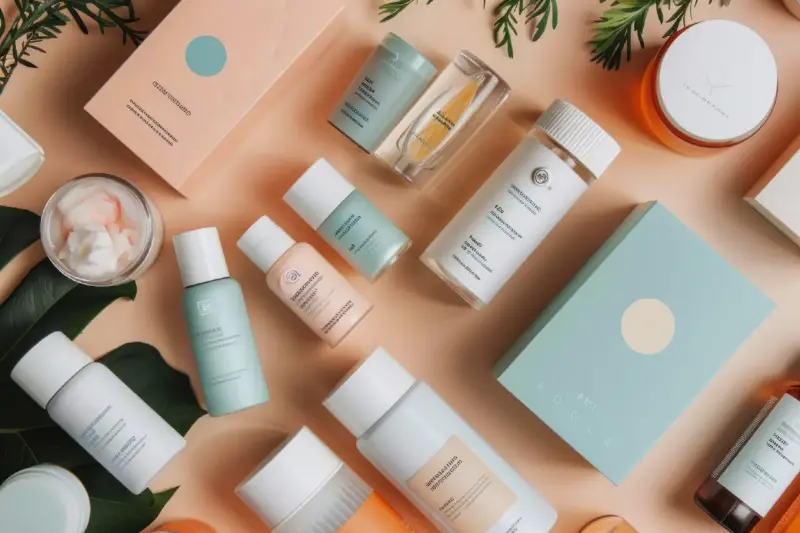
fascinatingly, this trend expands beyond just women: male shoppers aged 18-29 are almost equally likely as women to list sustainability as a shopping priority, according to a 2023 nielsen survey.
embracing diversity and inclusion
one major evolution reflected in the digital beauty space is the changing face of beauty itself. top platforms now pride themselves on extensive foundation ranges, inclusive marketing, and community spotlights on underrepresented groups. fenty beauty made headlines for its 40-shade foundation launch, but platforms took note: over 70% of foundation products on sephora and ulta now come in 30 or more shades, ensuring more people find a match.
online beauty communities are also driving conversations about gender inclusivity and body positivity, changing not just what products are sold, but how beauty is represented. according to glossier, products like fragrances and skin serums have universal appeal, regardless of gender. their best-selling “boy brow” has as many reviews from male devotees as female.
impulse and convenience trump brand loyalty
another insight from top beauty platforms is the rise of impulse and “little luxury” purchases. with free shipping thresholds, limited-time promotions, and constant new releases, platforms turn beauty shopping into a series of manageable indulgences. a report by mckinsey found that 34% of beauty shoppers tried a new brand just in the past month, with many citing social media ads or a friend’s recommendation. in this environment, loyalty is up for grabs—driven more by excitement and novelty than by tradition.
in the end, top beauty platforms reveal not just what people are buying, but how they want to experience beauty: as a personalized, social, ethical, and ever-evolving journey. the digital beauty counter is open to all, promising discovery at every click—no matter who you are or what you’re shopping for.