The unusual breeding habits of the great snipe in the wild.
Vietnam.vn EN
28/02/2026 06:28:00
The Greater Sandpiper exhibits fighting behavior, spectacular molting, and complex breeding tactics in the face of environmental challenges.
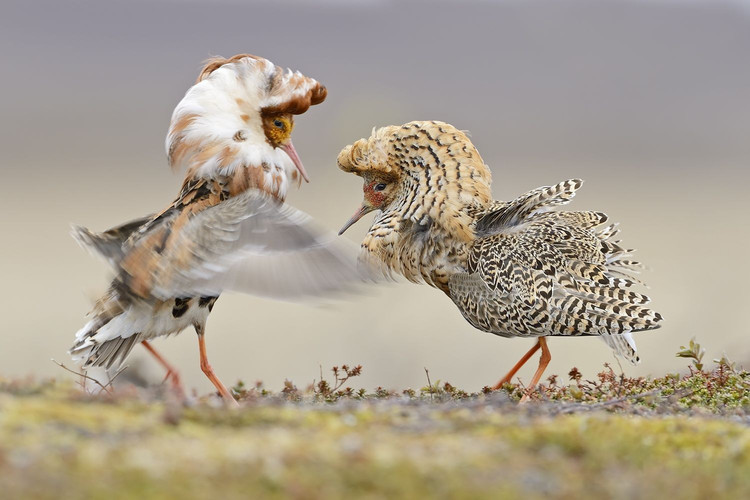
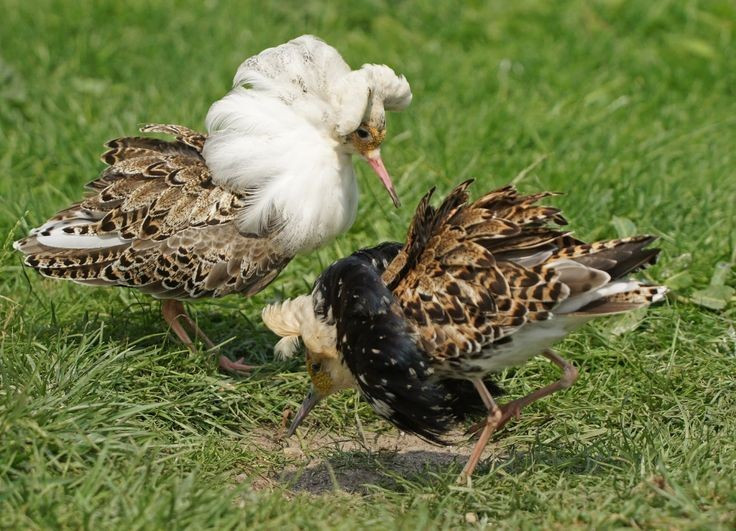
The scientific name is linked to the "fighting" behavior. The great snipe's species name, "pugnax," means "warlike" in Latin, reflecting the male's frequent fighting for access to the female during the breeding season. Photo: Pinterest.
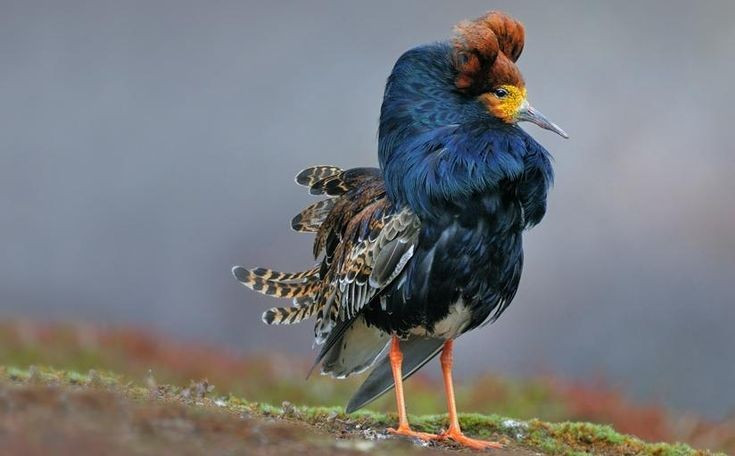
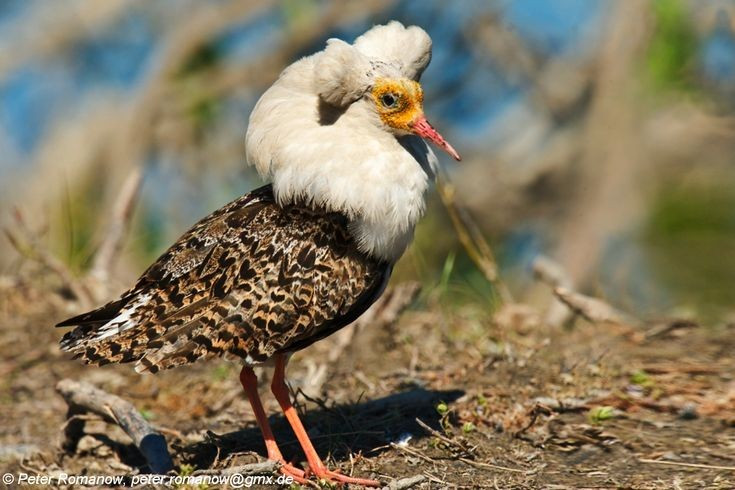
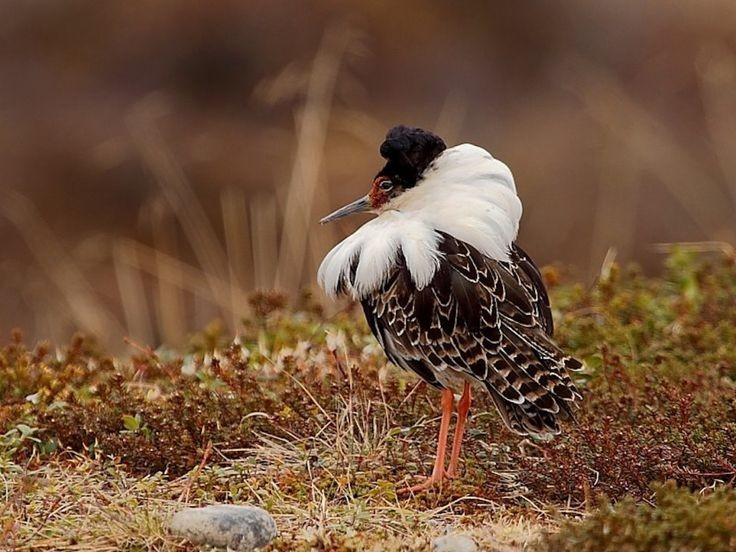
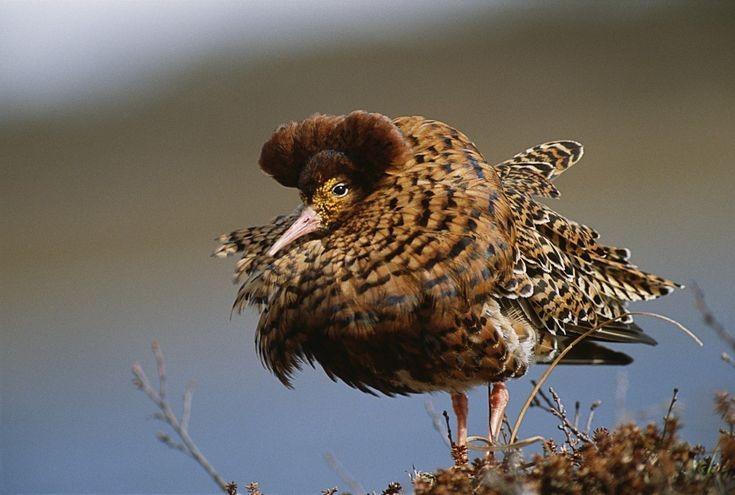
The male undergoes a spectacular molting process. During the breeding season, the male develops a wide, mane-like plumage around its neck, in a variety of colors ranging from white and black to reddish-brown. Each individual has a nearly unique pattern. Photo: Pinterest.
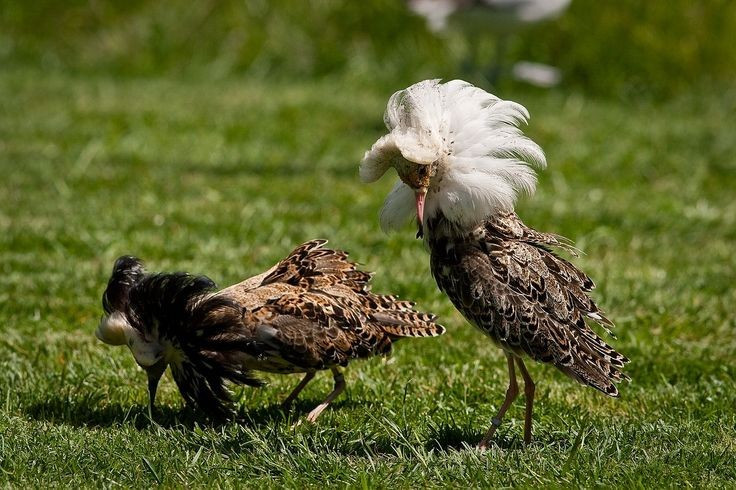
This is a concentrated display of behavior. They gather in open fields where the males display themselves and fight each other in front of the females. This is one of the most unique mating systems in waterfowl. Photo: Pinterest.
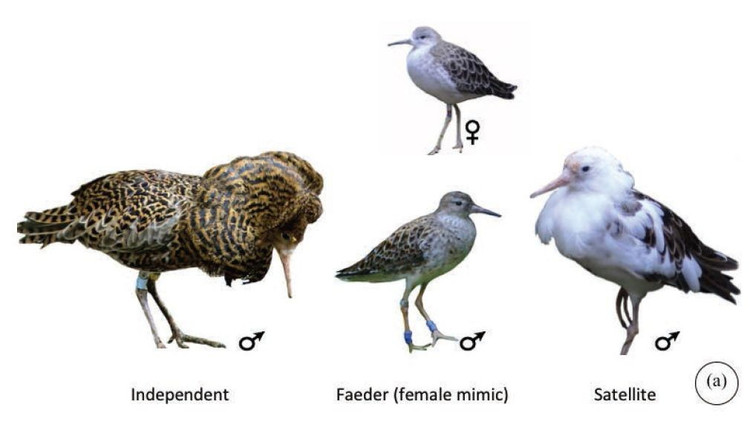
Diverse breeding strategies. Besides the "warrior" males, this species also has "satellite" and "mimicking" males, employing different tactics to increase their chances of reproduction within the same mating ground. Photo: Pinterest.
There are significant differences in size and sex. Males are much larger and more colorful than females. This difference is a prime example of sexual selection in evolution. Photo: Pinterest.
Widely distributed throughout Eurasia, the Greater Sandpiper breeds in Northern Europe and Siberia, then migrates to Africa, South Asia, or Western Europe to avoid harsh winters. Photo: Pinterest.
Their diet is seasonal and flexible. They feed on insects, worms, and invertebrates during the breeding season, but may switch to seeds and plants when migrating or overwintering. Photo: Pinterest.
Facing habitat degradation, the loss of wetlands and
agricultural changes have led to a decline in great snipe populations in many areas, highlighting the need to conserve wetland ecosystems. Photo: Pinterest.
The article continues below the video.
Recommended video
We invite our readers to watch
the video : Living with Wolves / VTV2
This article is provided by Vietnam.vn, authorized for use, and represents solely the author’s personal opinions. Please contact us in the event of any potential infringement.