


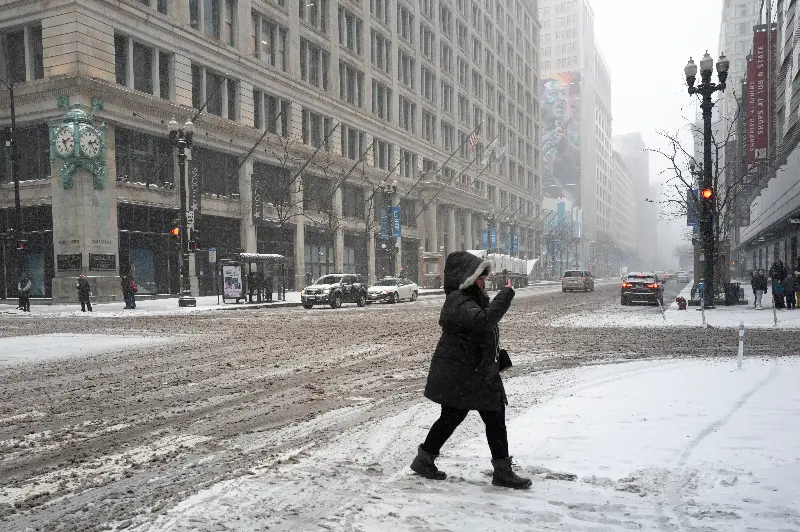
Sudden Shift: Winter Arrives Early, Catching Millions Off Guard
An unexpected blast of winter weather has swept across the country, jolting communities from Alaska to the Midwest far earlier than usual. More than ten states are currently under winter weather warnings, with residents waking up to snow-covered streets, biting cold, and a surge of alerts from the National Weather Service. In Alaska, families huddled indoors as a powerful storm dumped a staggering ten inches of snow overnight, while many Midwestern cities are grappling with temperatures plunging into the mid-20s—a record drop for early October.
The atmosphere in many communities is tense but resilient. Social media is buzzing with images of snow-laden trees, local news reporters braving icy roads, and officials urging people to stay safe. There’s a palpable mix of surprise and concern as city crews scramble to clear roads and parents bundle children in unexpected winter layers for their trek to school. The urgency of current warnings has left many scrambling—hardware stores saw a rush on ice melt and shovels, and grocery shelves thinned out as families stocked up for possible power outages.
Breaking Down the Warnings: What You Need to Know
With volatile weather patterns and storm activity likely to continue throughout October, meteorologists are emphasizing the need to understand—and heed—winter weather warnings as they’re issued. Here’s a snapshot of what’s currently happening and what these warnings mean:
- Winter Storm Warning: Indicates a severe winter event—such as heavy snow or ice—is either happening or about to begin. Travel may become extremely dangerous or impossible; authorities recommend staying home if possible.
- Blizzard Warning: Means ongoing or imminent blizzard conditions, including whiteout visibility and wind speeds above 35 mph, could persist for hours. This can strand motorists and disrupt emergency services.
- Ice Storm Warning: Signifies likely ice accumulation of ¼ inch or more. Such conditions can snap power lines, topple trees, and dramatically increase the risks of slipping, falls, and car accidents.
- Wind Chill Warning and Advisory: Alerts when the combination of cold temperatures and wind may create conditions where frostbite can set in after just minutes of exposure.
- Winter Weather Advisory: Issued for less severe, but still hazardous, winter conditions—like moderate snow, ice, or sleet—that may affect daily routines without posing life-threatening risk if reasonable caution is used.
Meteorologists from NOAA suggest that the early onset of winter-like storms may signal a colder, wetter season ahead, particularly for Northern California and parts of the Midwest. Inside affected neighborhoods, the vibe is a blend of awe at the picturesque early snow and anxiety over possible disruptions—from power outages to hazardous road conditions.
Bracing for an Unpredictable Season Ahead
Many want to know: Is this early cold a one-off event, or the beginning of a trend? Experts say that while it’s not unheard of for winter weather to surprise, the intensity and breadth of the warnings this week are unusual. The National Weather Service and local safety officials urge everyone to stay informed, prepare emergency kits, and heed any advice or travel restrictions as conditions change.
Key Takeaways:
- Early storms are a wakeup call that winter hazards can hit before we’re ready.
- Rapid response is crucial—whether it’s bundling up, stocking supplies, or checking on neighbors.
- Clear communication from meteorologists and officials helps everyone stay safer.
- Crowds remain anxious but determined, with a sense of community growing in the face of unpredictable weather.
As autumn’s usual routines give way to snowy mornings and icy commutes, many feel a mixture of frustration and marvel at nature’s power. Weather experts advise that staying alert and prepared will be the best defense, with this week’s warnings providing both a challenge and a reminder to respect the changing season.